
You may have already seen the Opéra-Comique without realizing it
On screen, the theater doesn’t always appear under its own name. It becomes a performance hall, a period setting, backstage, an exit lobby, or simply a place people pass through. Over the past decade or so, film shoots there have become more frequent, making its spaces a sought-after setting for movies, TV series, and trailers.
This is also what makes these appearances interesting: they never quite show the same theater.
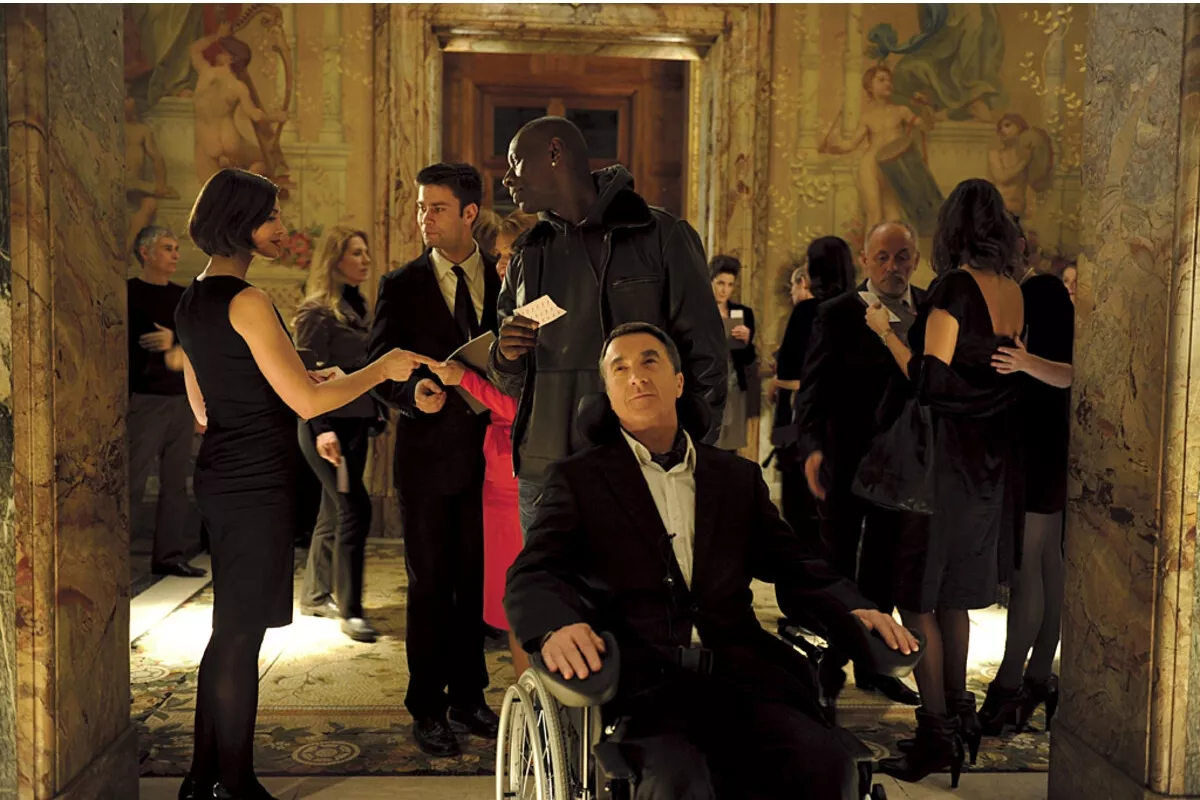
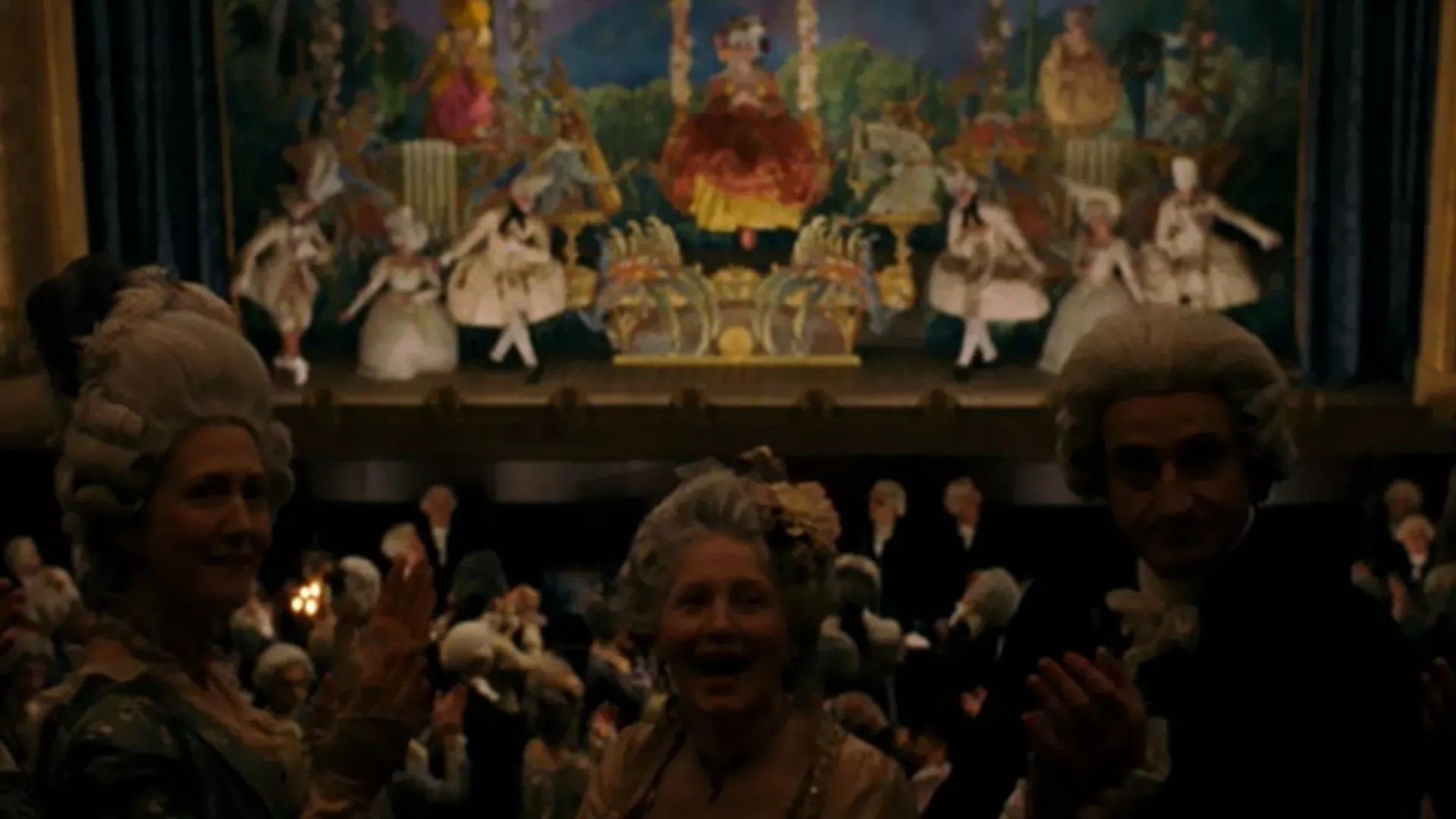
In Intouchables, the Salle Favart, the foyer, the lobby, and the main box appear in fragments, in a scene that has become highly recognizable. That same box is transformed into an 18th-century box in Marie-Antoinette.
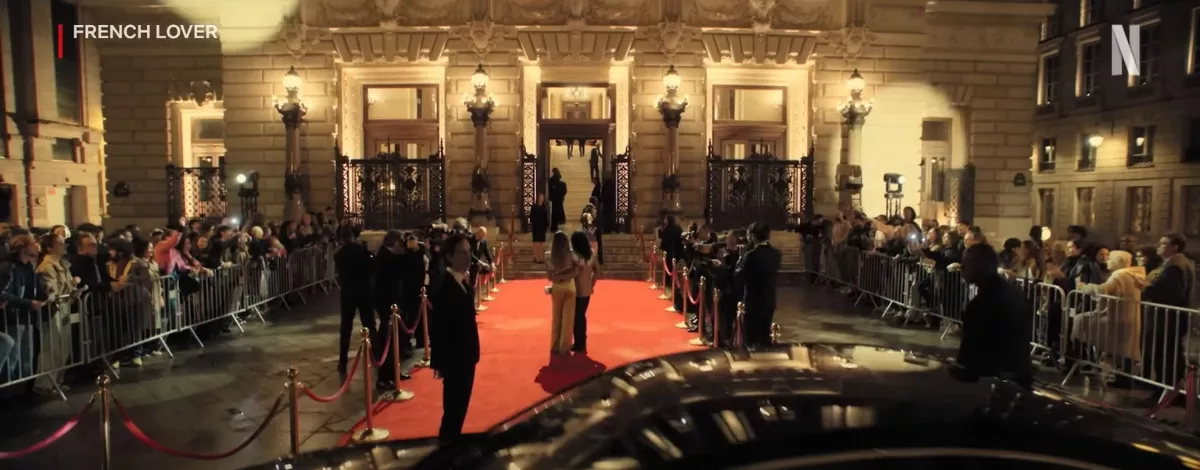
In other scenes, the venue lends itself to different uses. In French Lover, we see the theater open up from the outside, from the lobby all the way to Place Boieldieu. In Le Comte de Monte-Cristo, it takes on the character of a performance venue for the duration of a medal ceremony. In Maestro(s), it evokes the solemnity of an opera house.
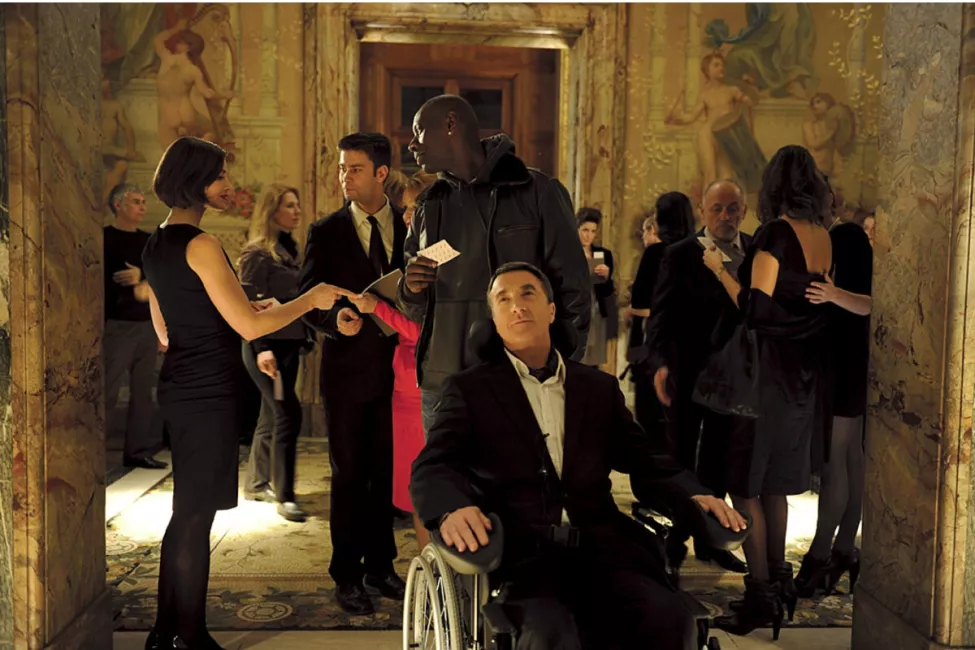
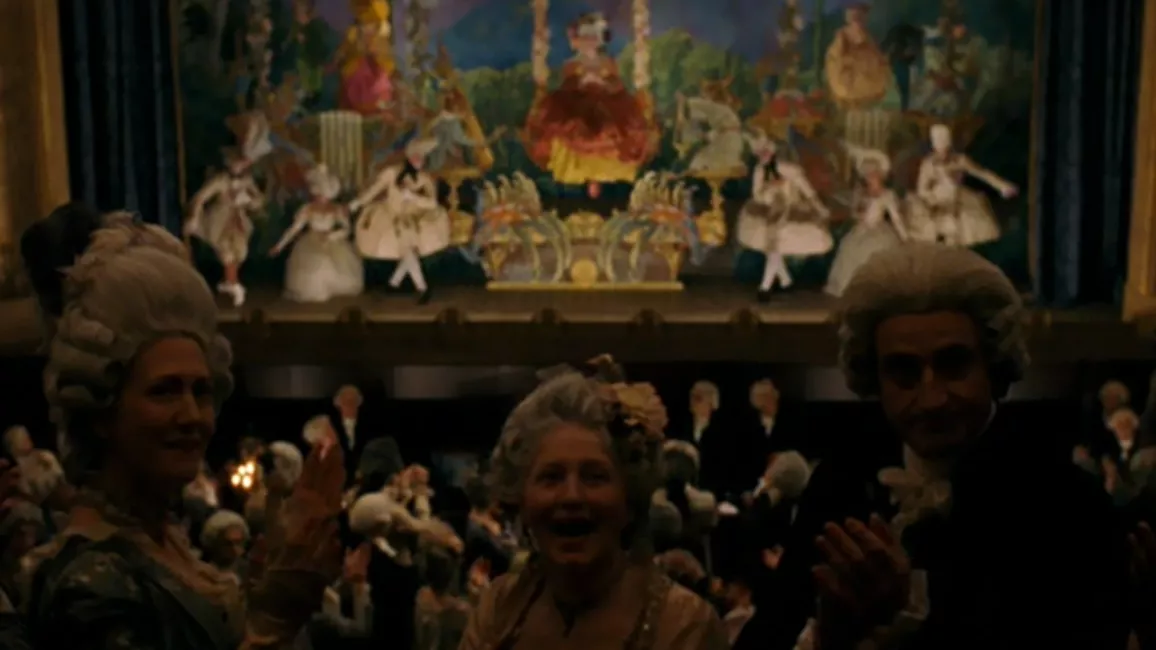
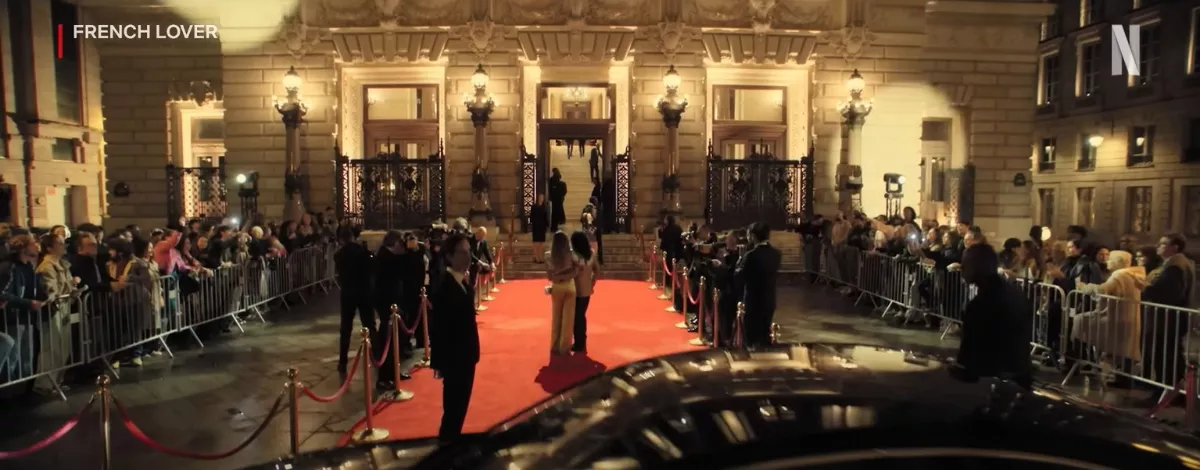
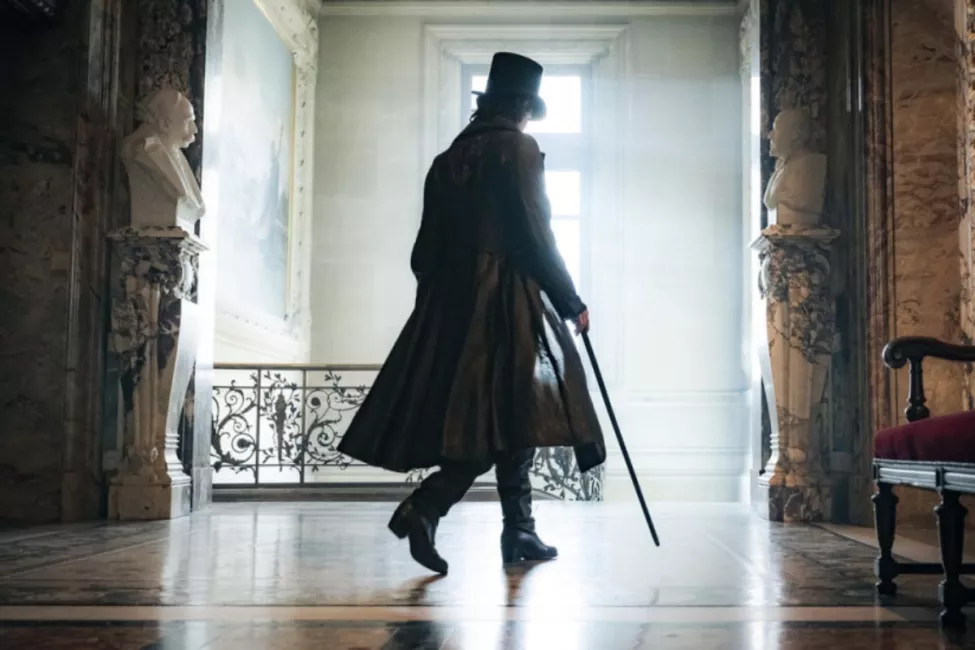
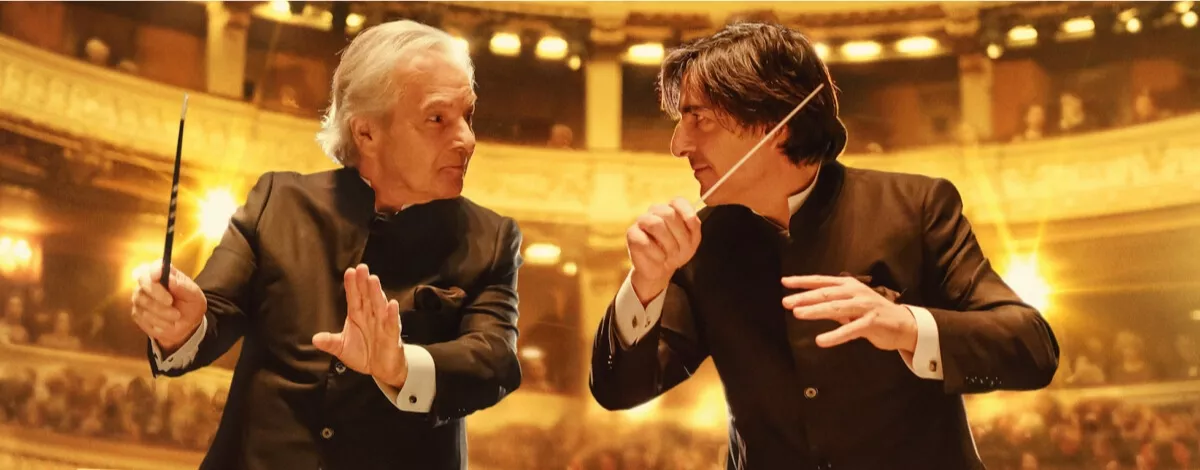
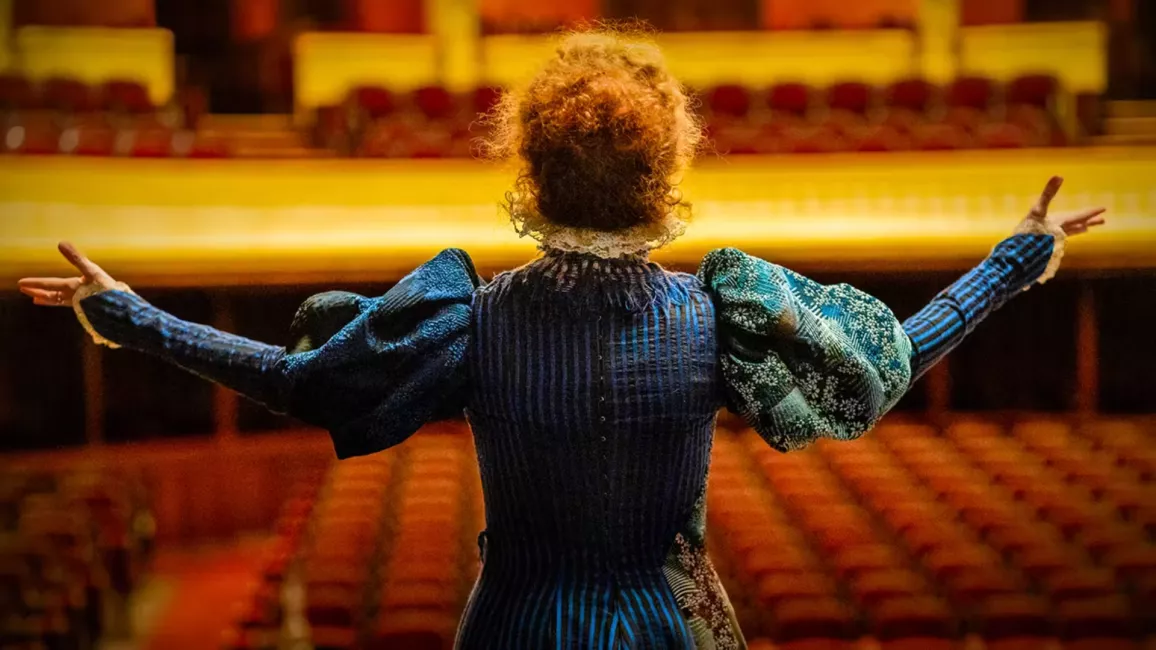
What cinema seeks here has as much to do with the architecture as with the way the theater organizes sightlines and movement. There is, of course, the gilding of the Salle Favart, the paintings in the foyer, the dressing rooms, the staircases, and the passageways. But there is also another, more subtle quality: the way it bridges the stage and the auditorium, the performance and its backstage.
On screen, the Opéra-Comique is therefore not merely a heritage setting. It is a theater in its entirety, with its volumes, thresholds, and transitional spaces, all serving each narrative.
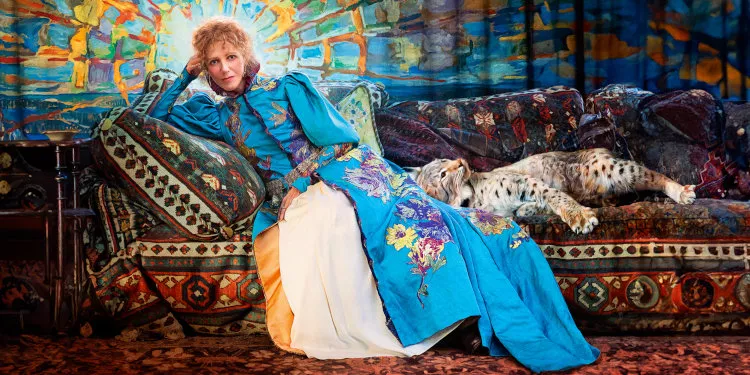
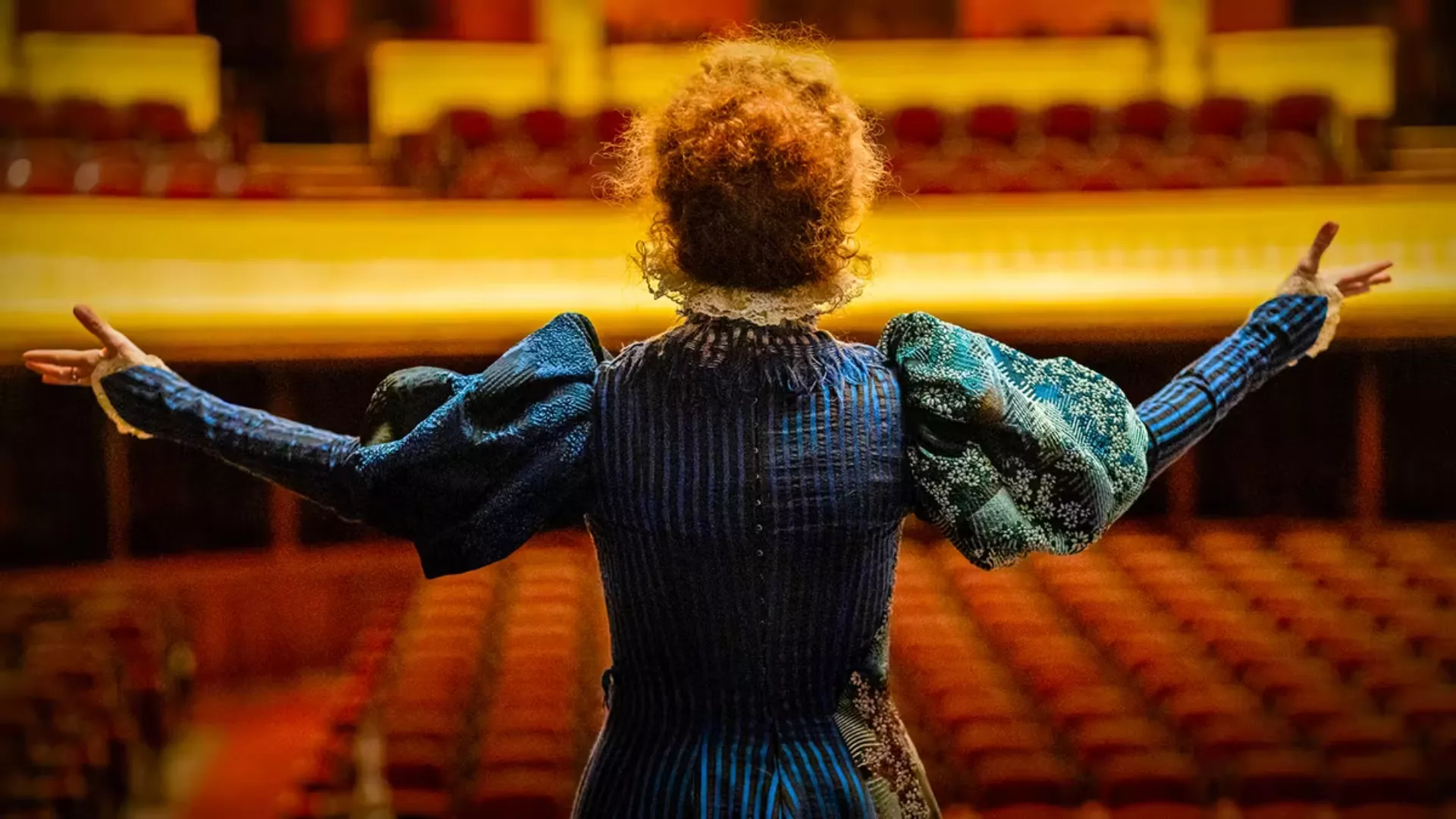
In the trailer for Sarah Bernhardt, la divine, dedicated to Sarah Bernhardt, the illuminated theater is enough to evoke an imagination of the stage, of presence, and of the performance itself. In the trailer for Monsieur Aznavour, several spaces within the Opéra-Comique anchor the narrative in a world of performance, without reducing the venue to a mere backdrop.
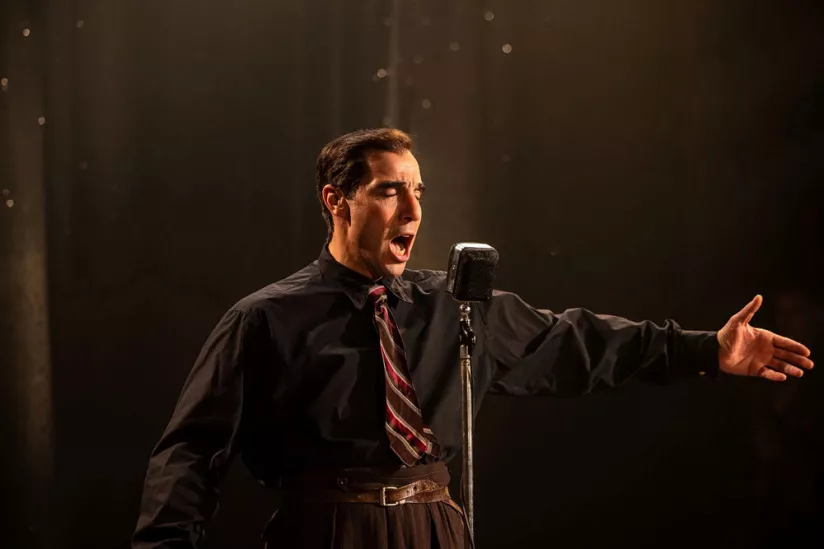
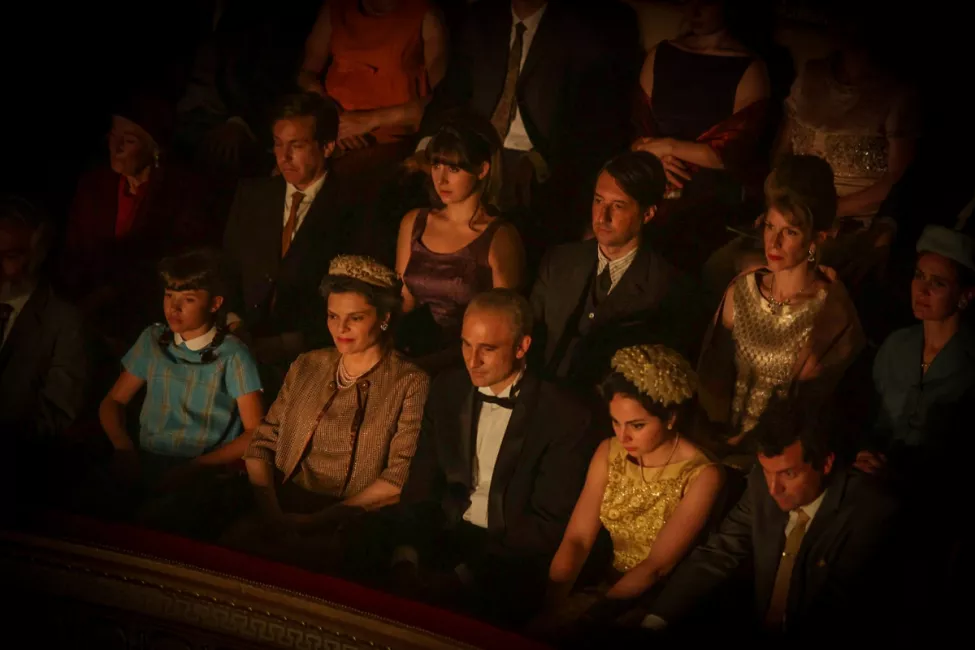
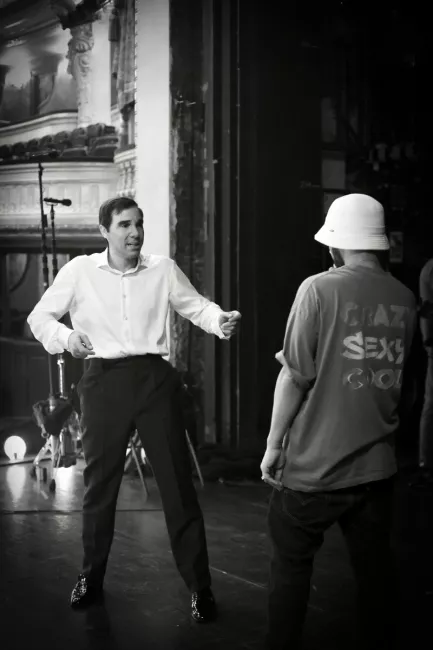
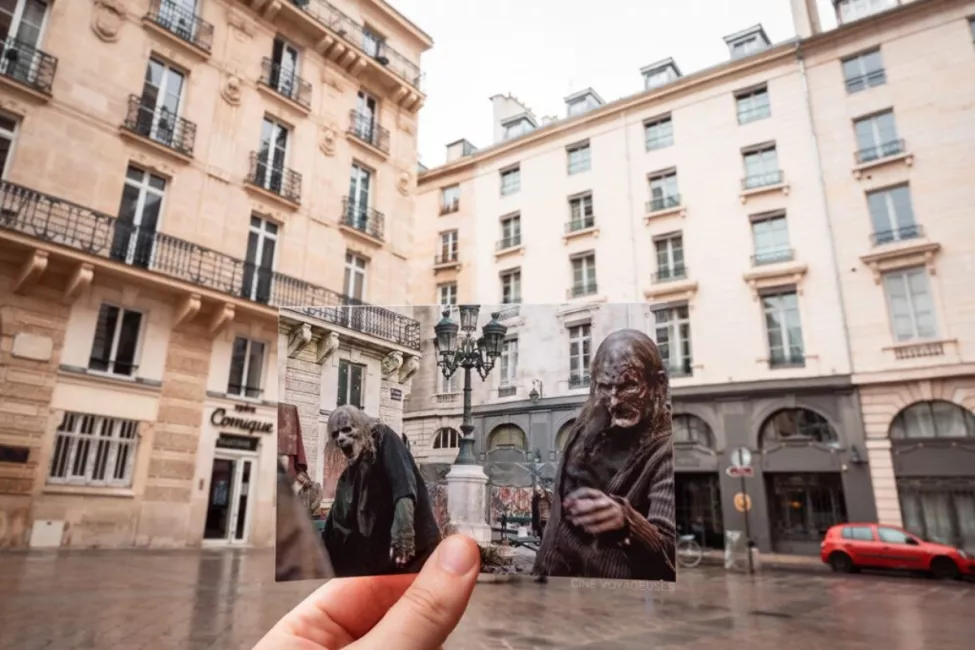
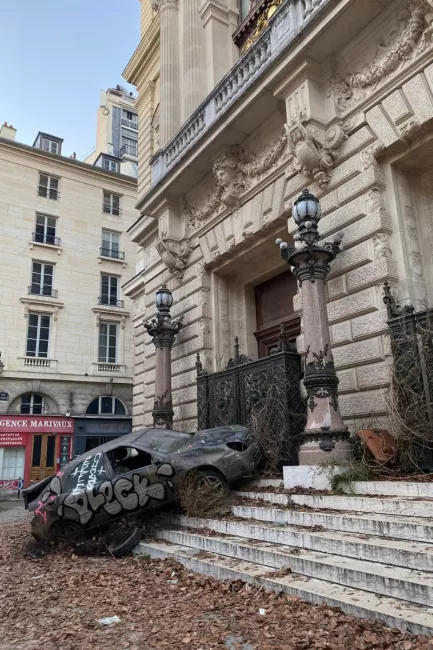
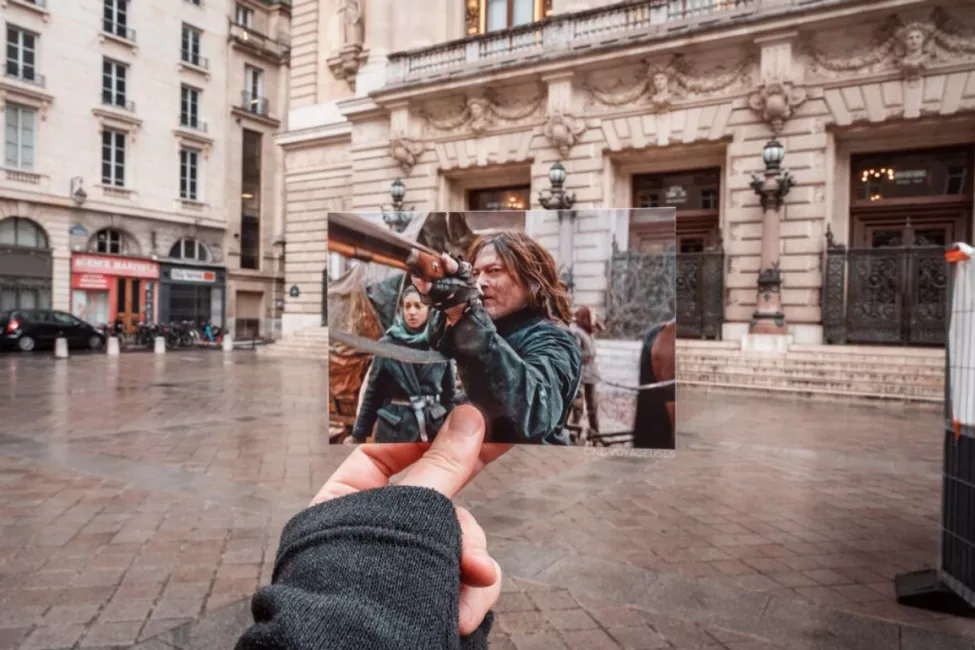
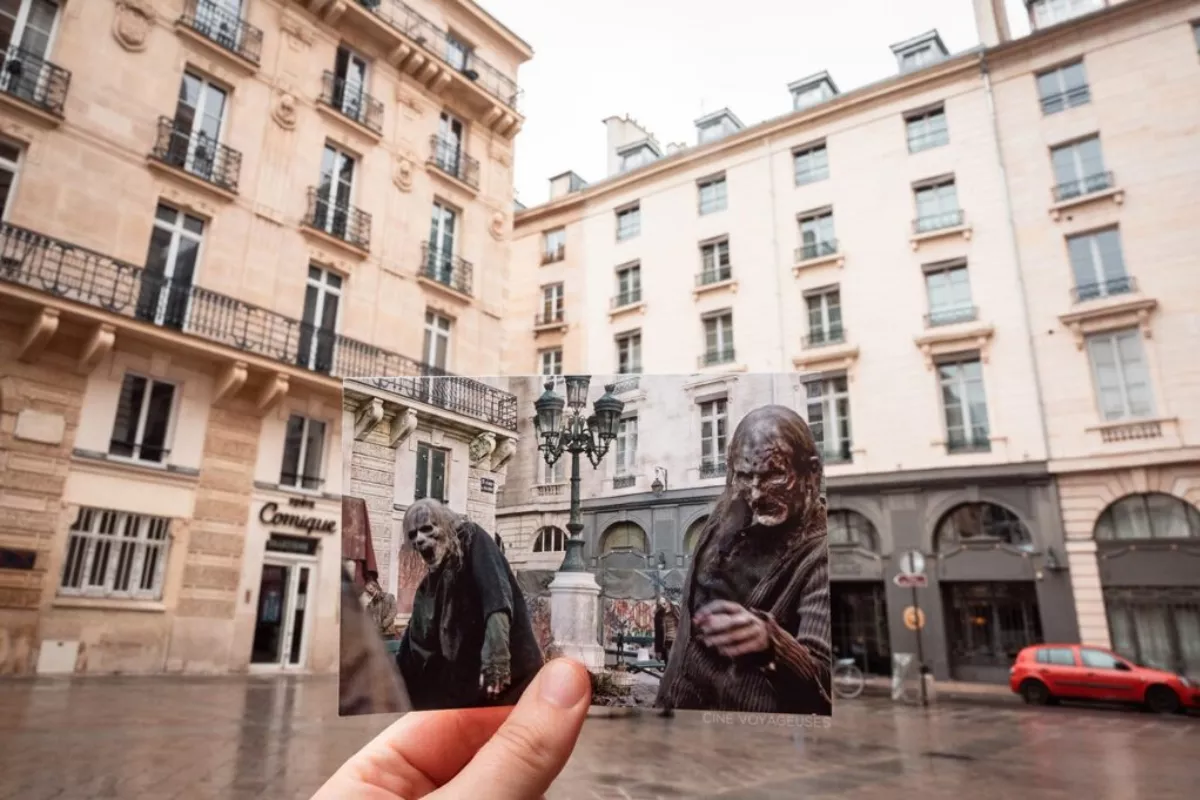
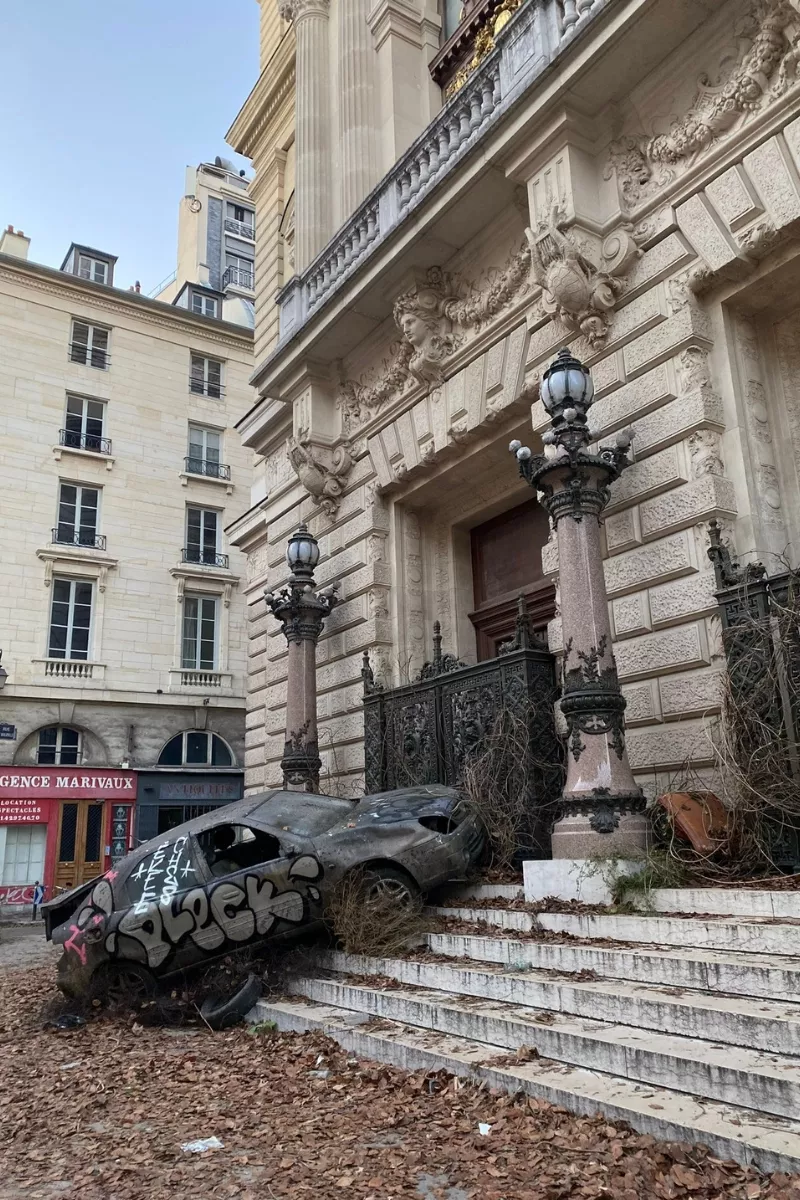
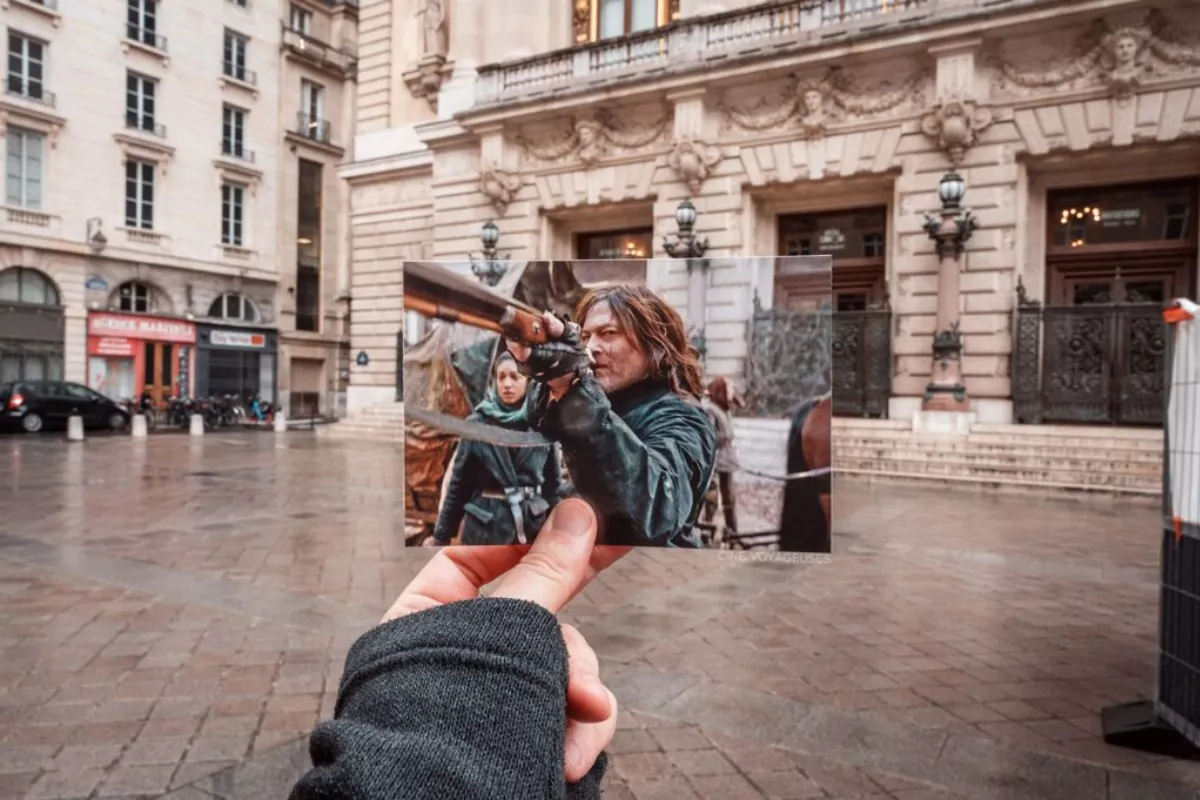
In The Walking Dead: Daryl Dixon, the area surrounding the Opéra-Comique takes center stage.
From one film to the next, the Opéra-Comique never plays exactly the same role. It becomes a stage, a set, a backstage area, a place of appearance or passage. But one thing remains: the presence of a theater that, without ceasing to be itself, lends itself to other fictional stories-revealing, in a single gesture, both a historic site and a living space.
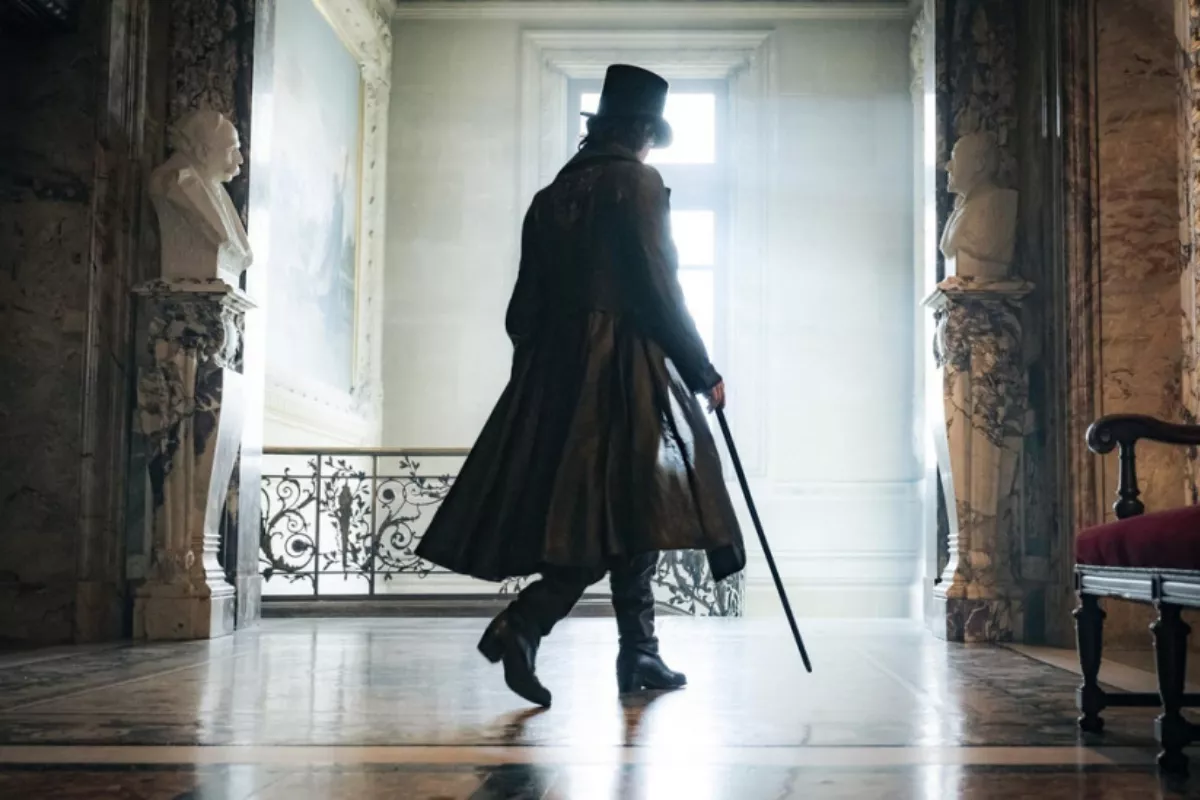
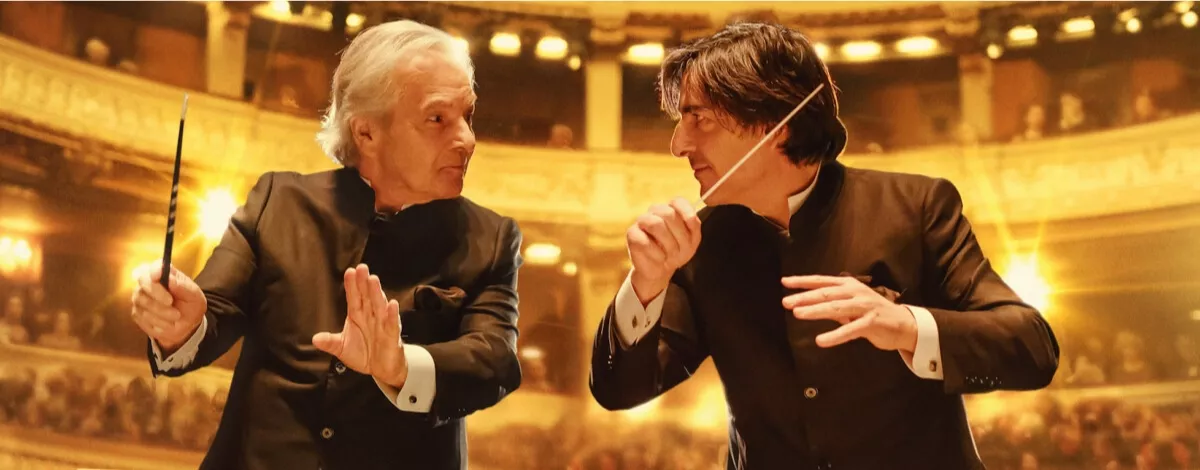
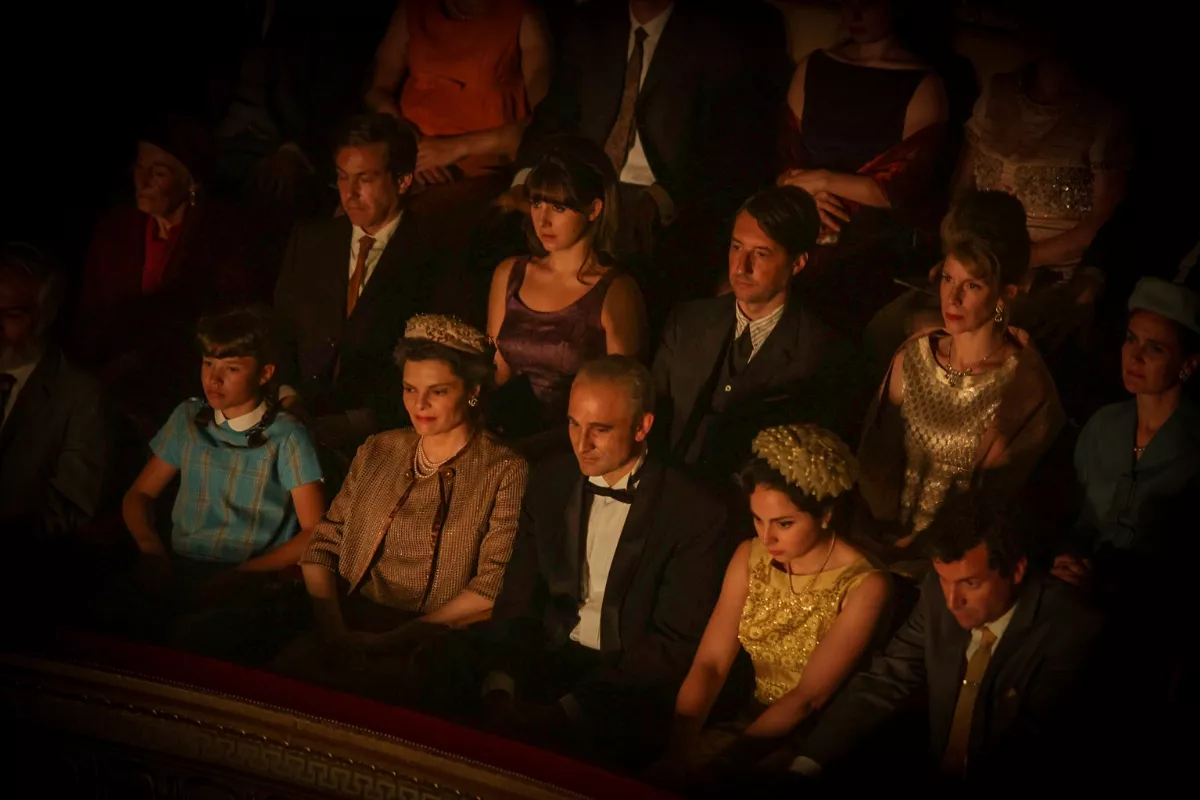
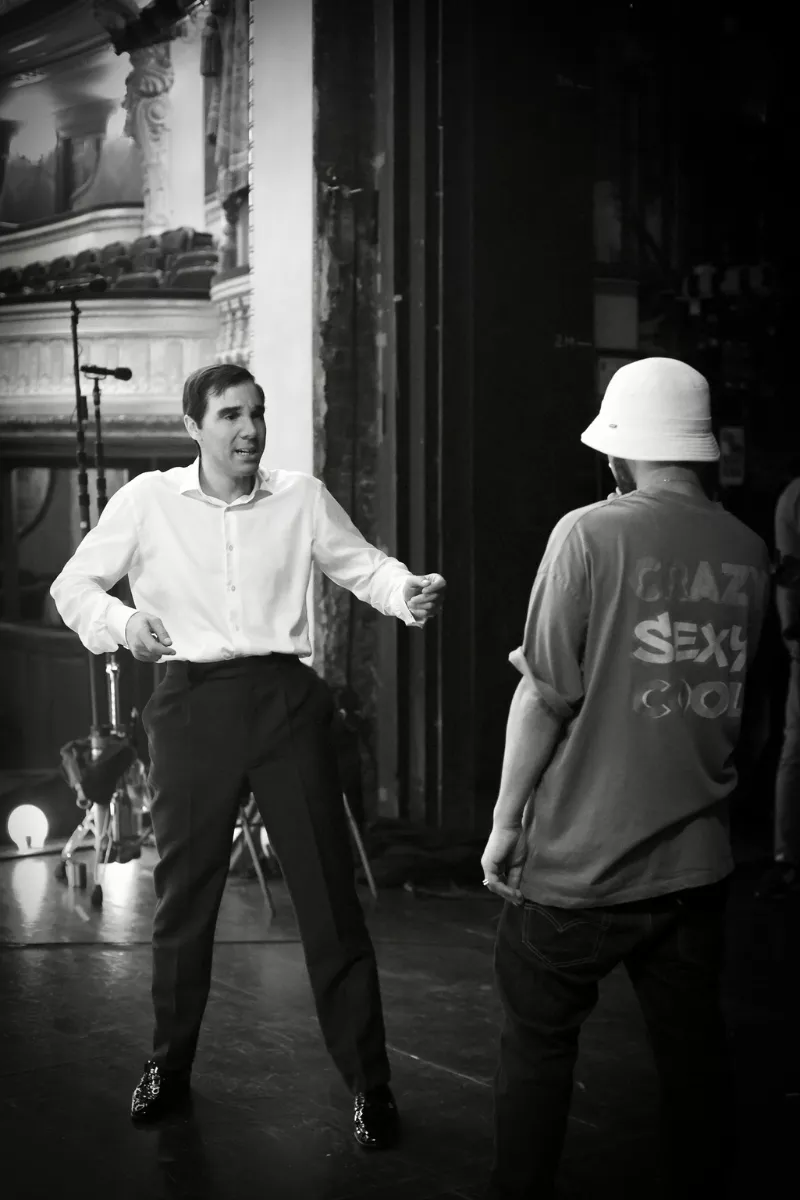
The Opéra-Comique is also worth seeing in…
From historical films to comedies, from crime thrillers to contemporary series, the Opéra-Comique has also been the setting for numerous film shoots in recent years.
Here are a few highlights, in chronological order