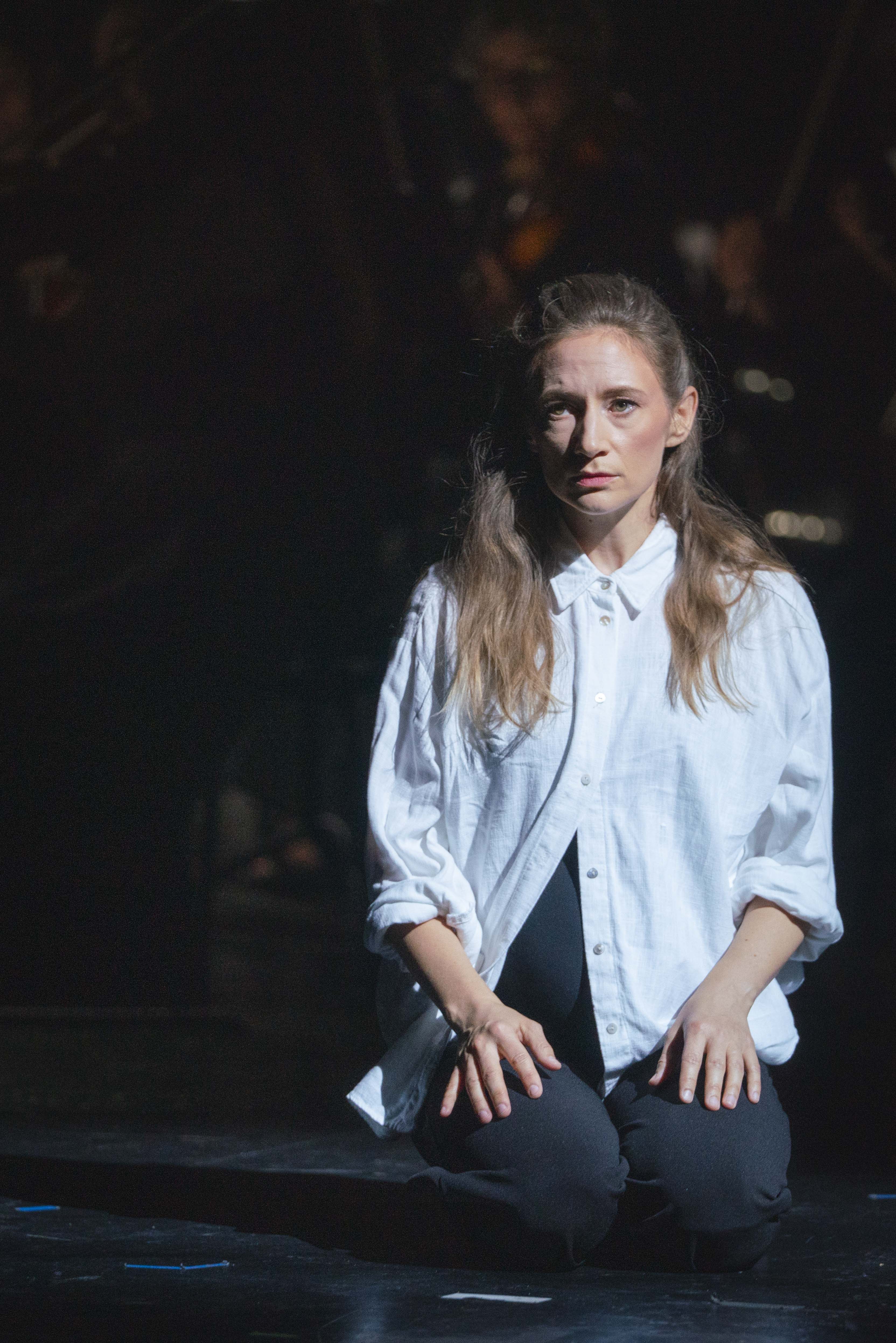
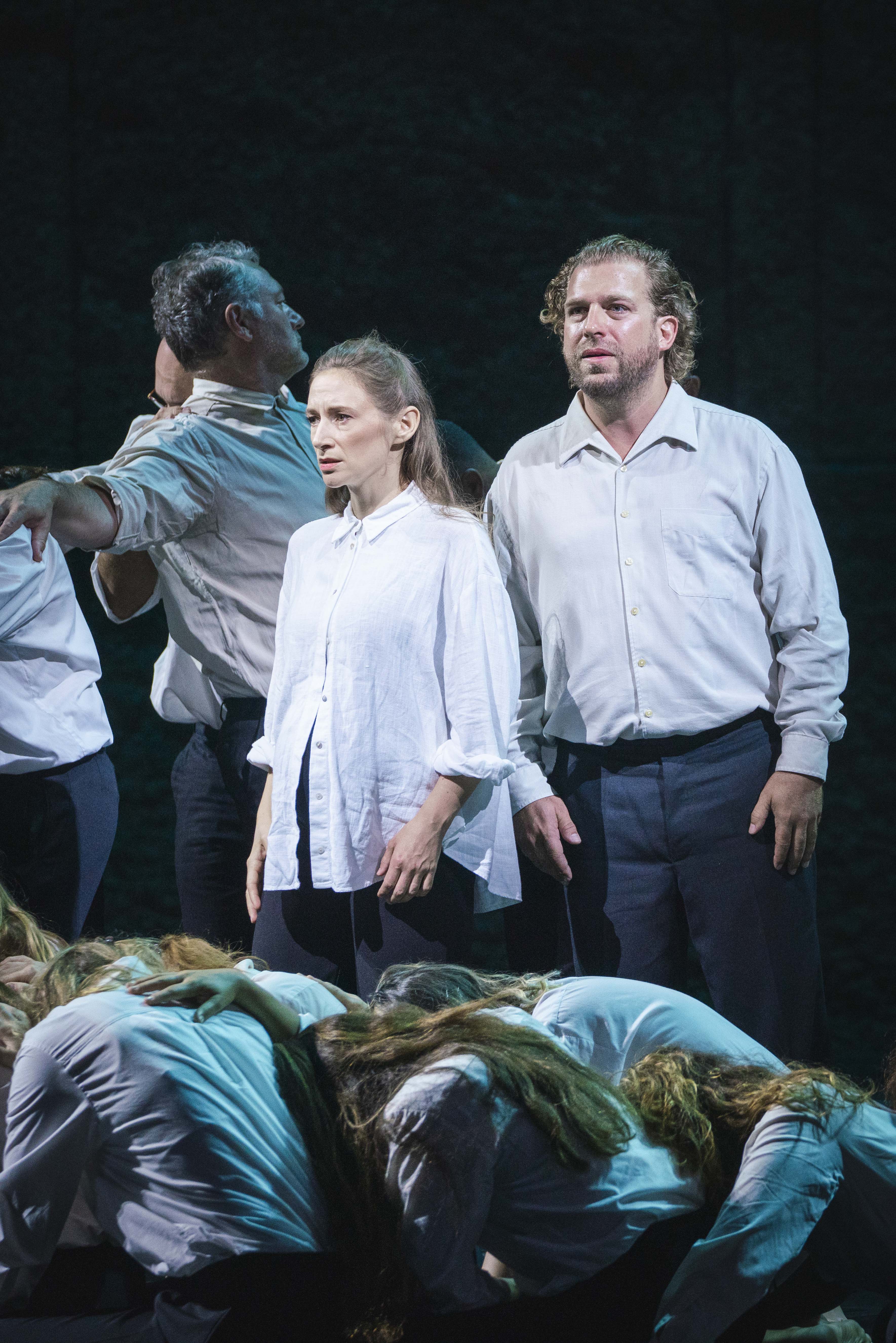
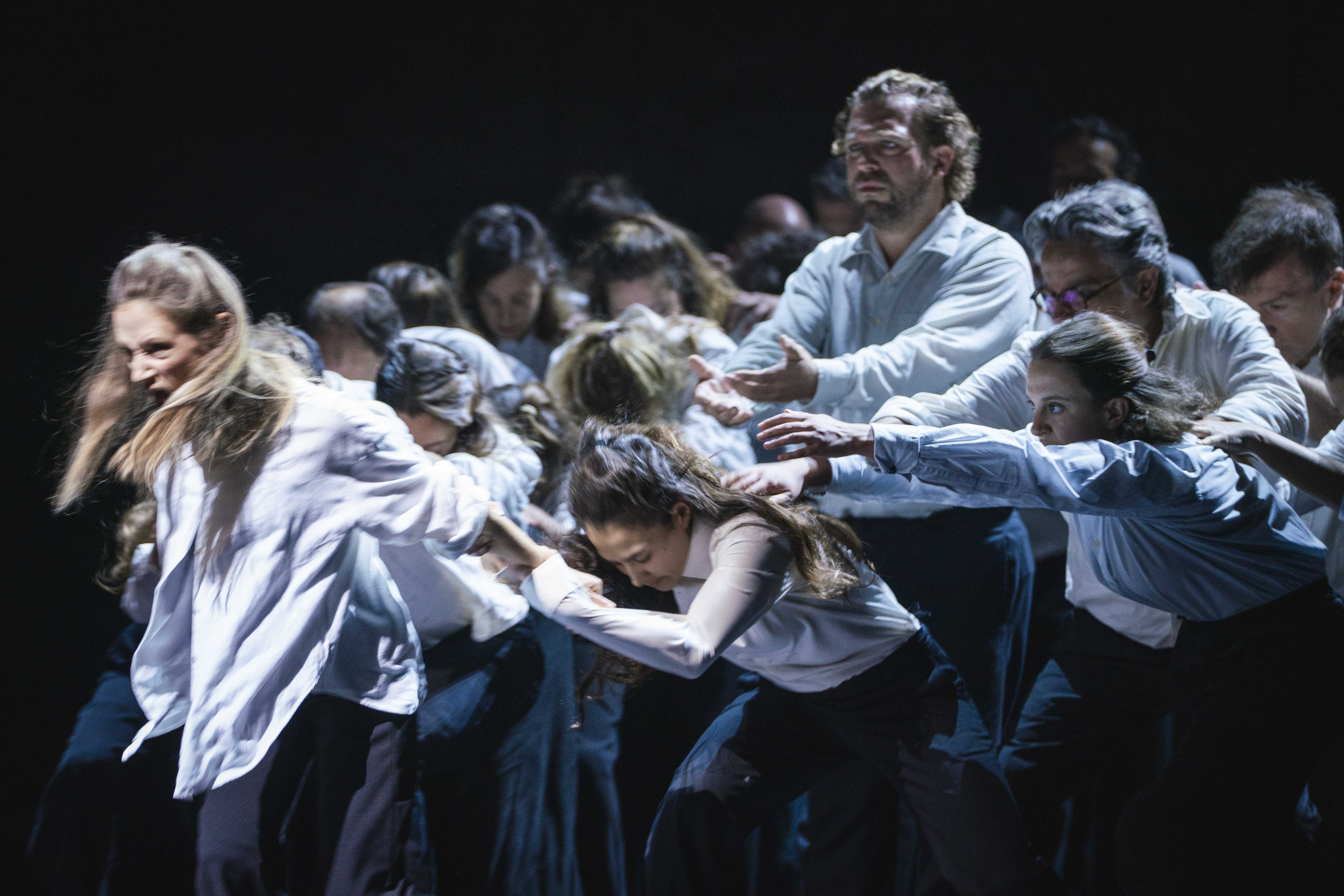
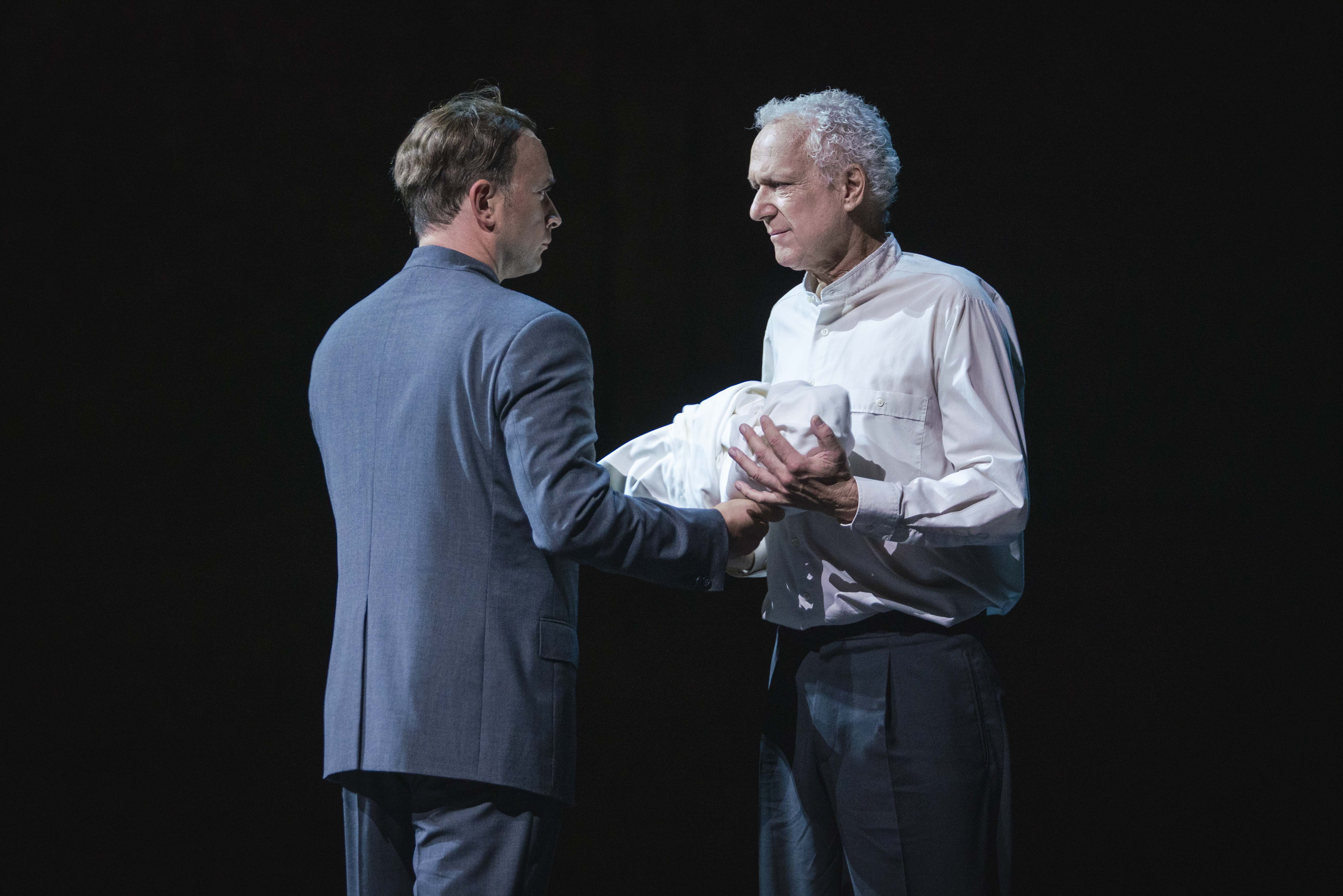
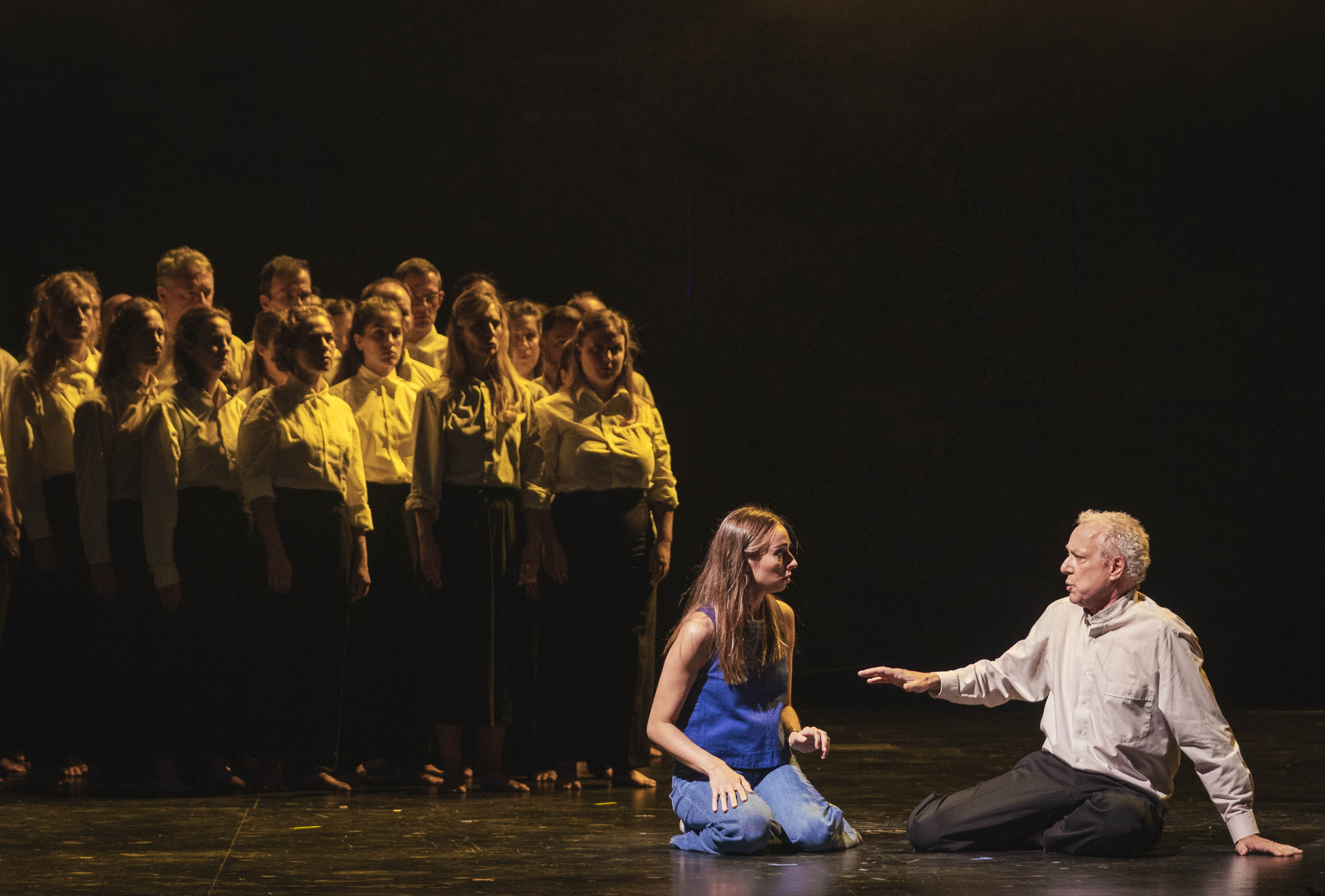
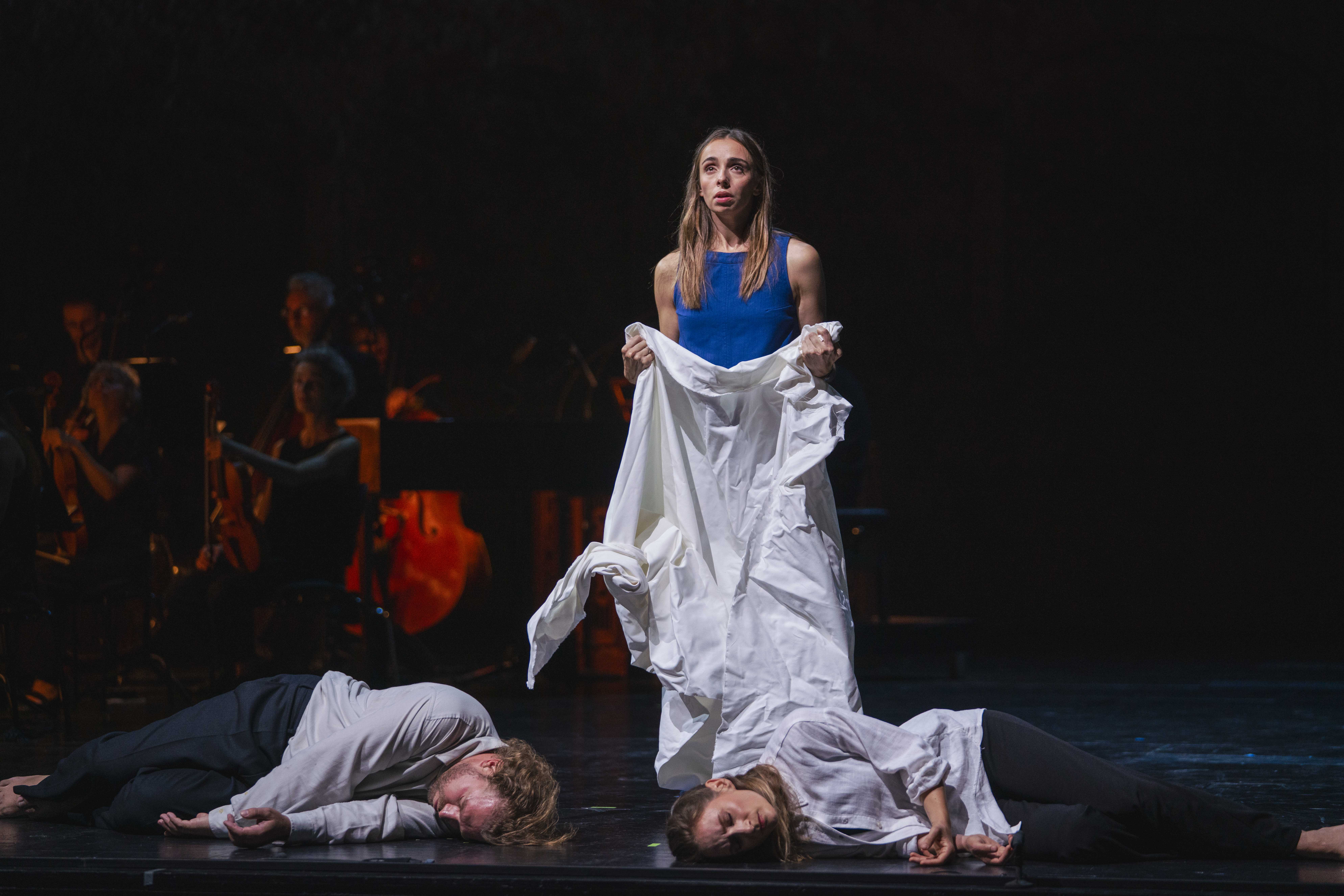
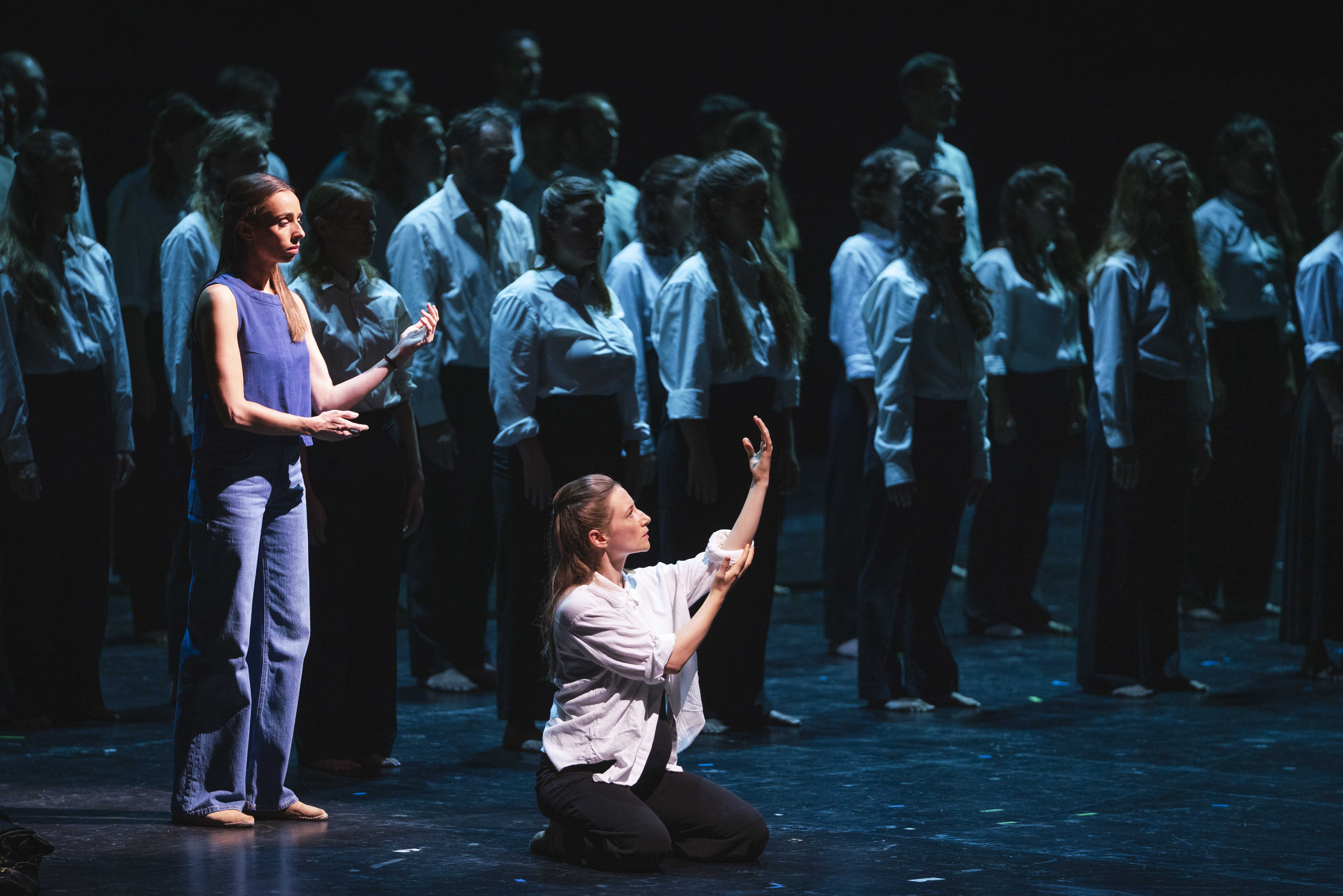
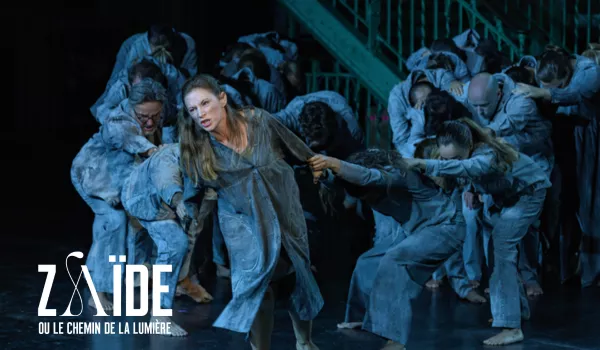
On the ruins of an old prison, Persada seeks the truth about her mother, "the woman who sings", whose love once defied the tyrant Soliman. In this singspiel composed in 1780, the young Mozart voices his aspirations to freedom and justice, foreshadowing The Abduction from the Seraglio. Raphaël Pichon and Pygmalion bring Zaïde together with other rarely performed works in a humanist fresco created in Salzburg in 2025.
Cast
Musical and stage design, musical direction, Raphaël Pichon • With Sabine Devieilhe, Johannes Martin Kränzle, Xenia Puskarz Thomas, Hugo Brady, Matthew Swensen • Choir & orchestra, Pygmalion
See all the cast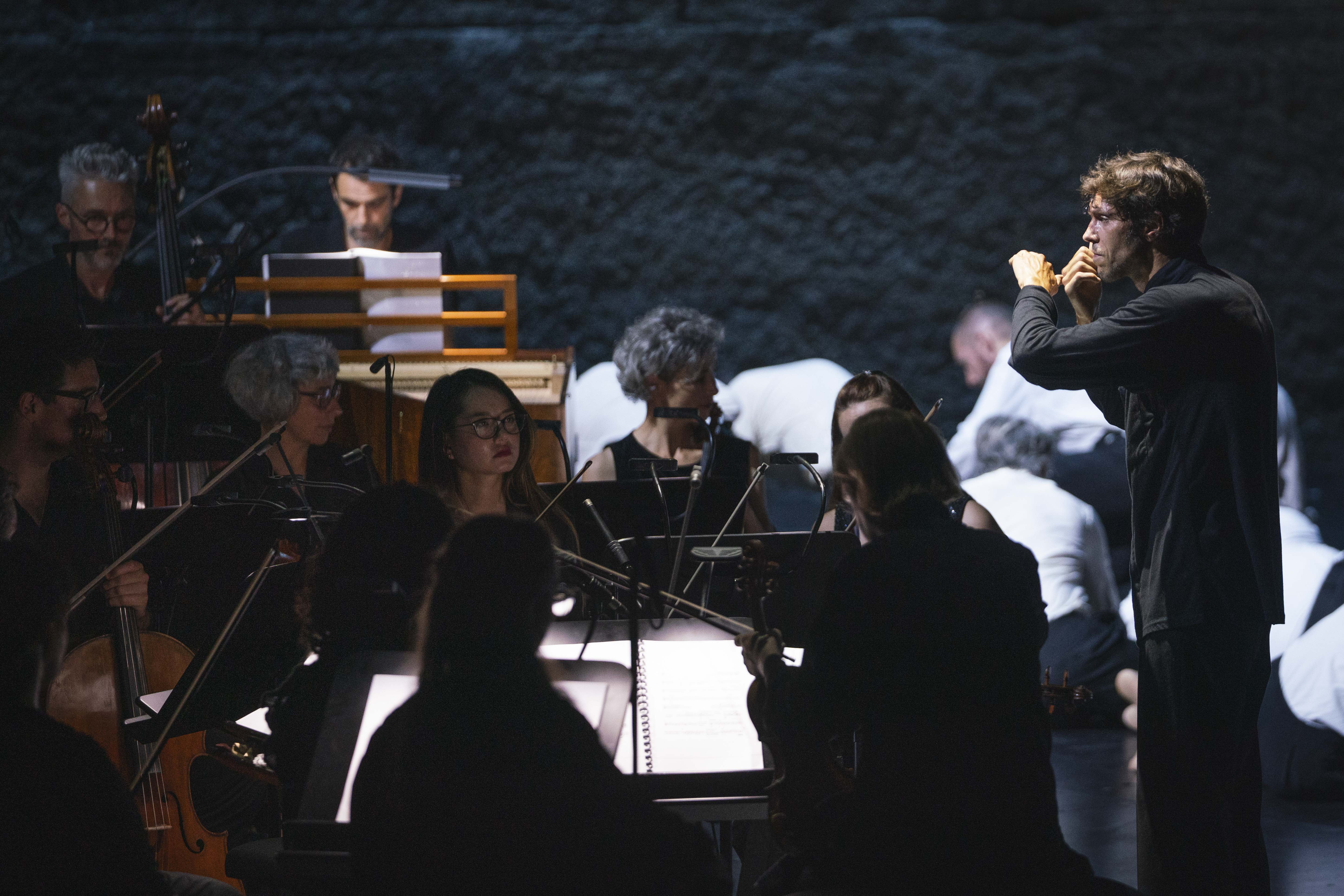
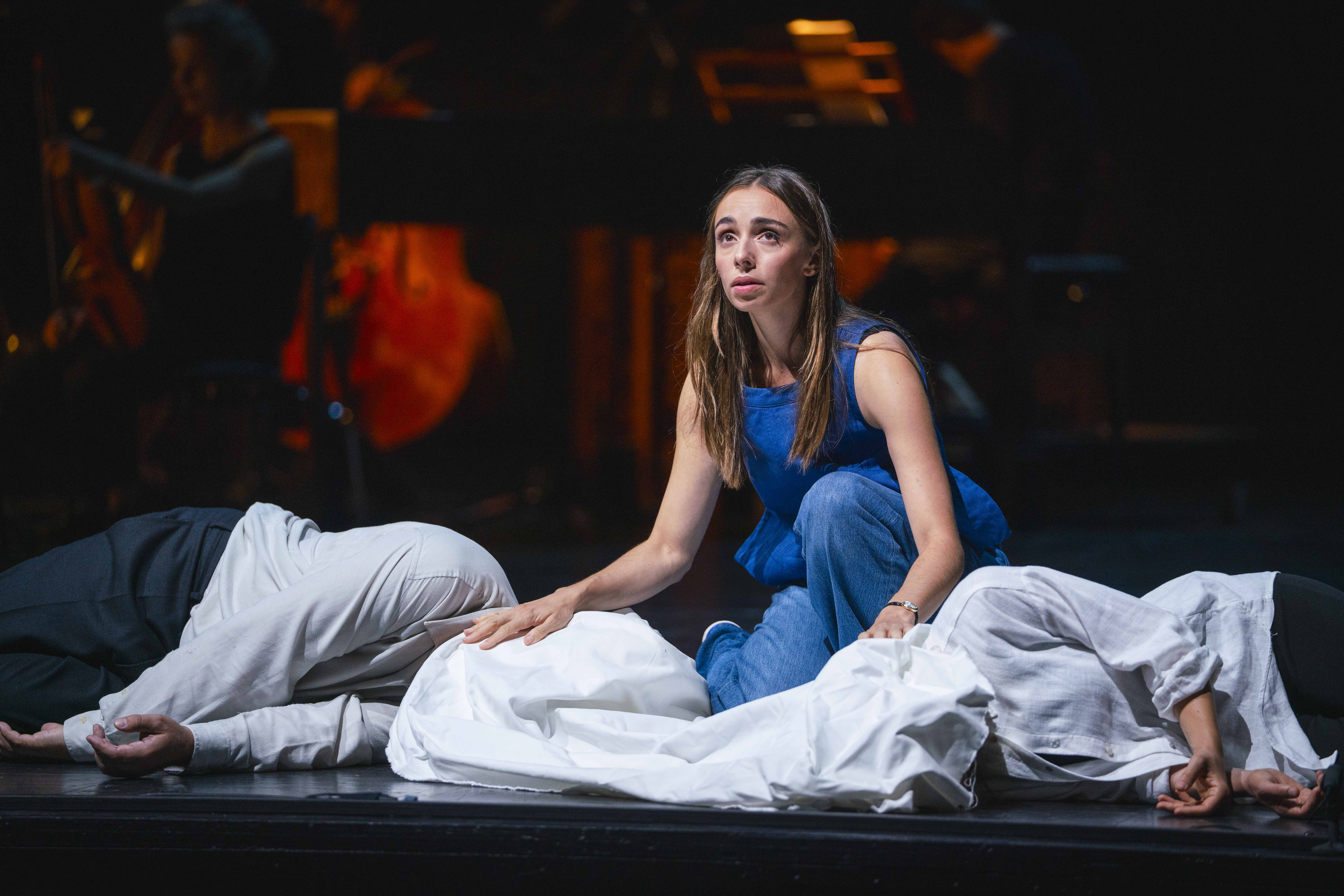
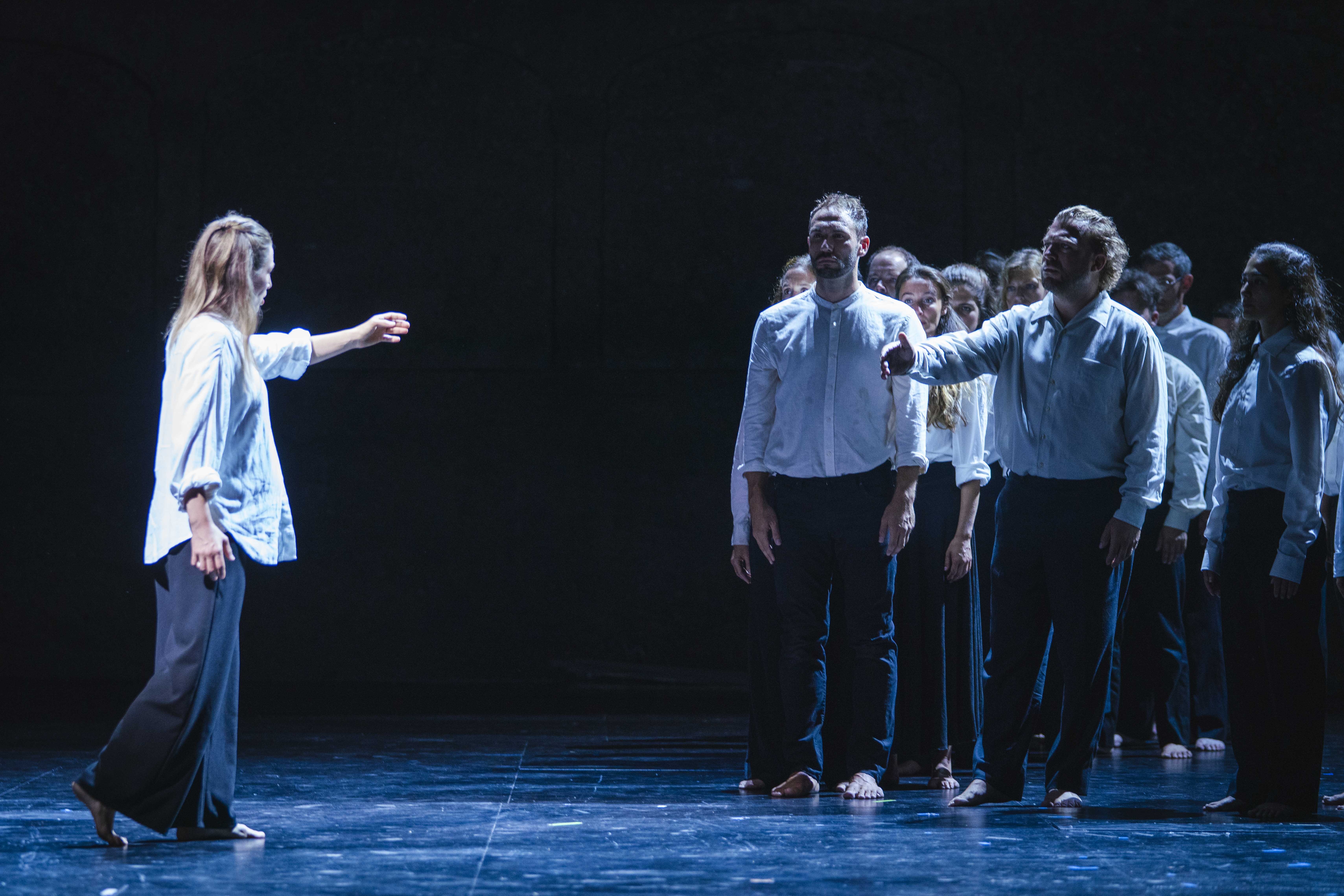
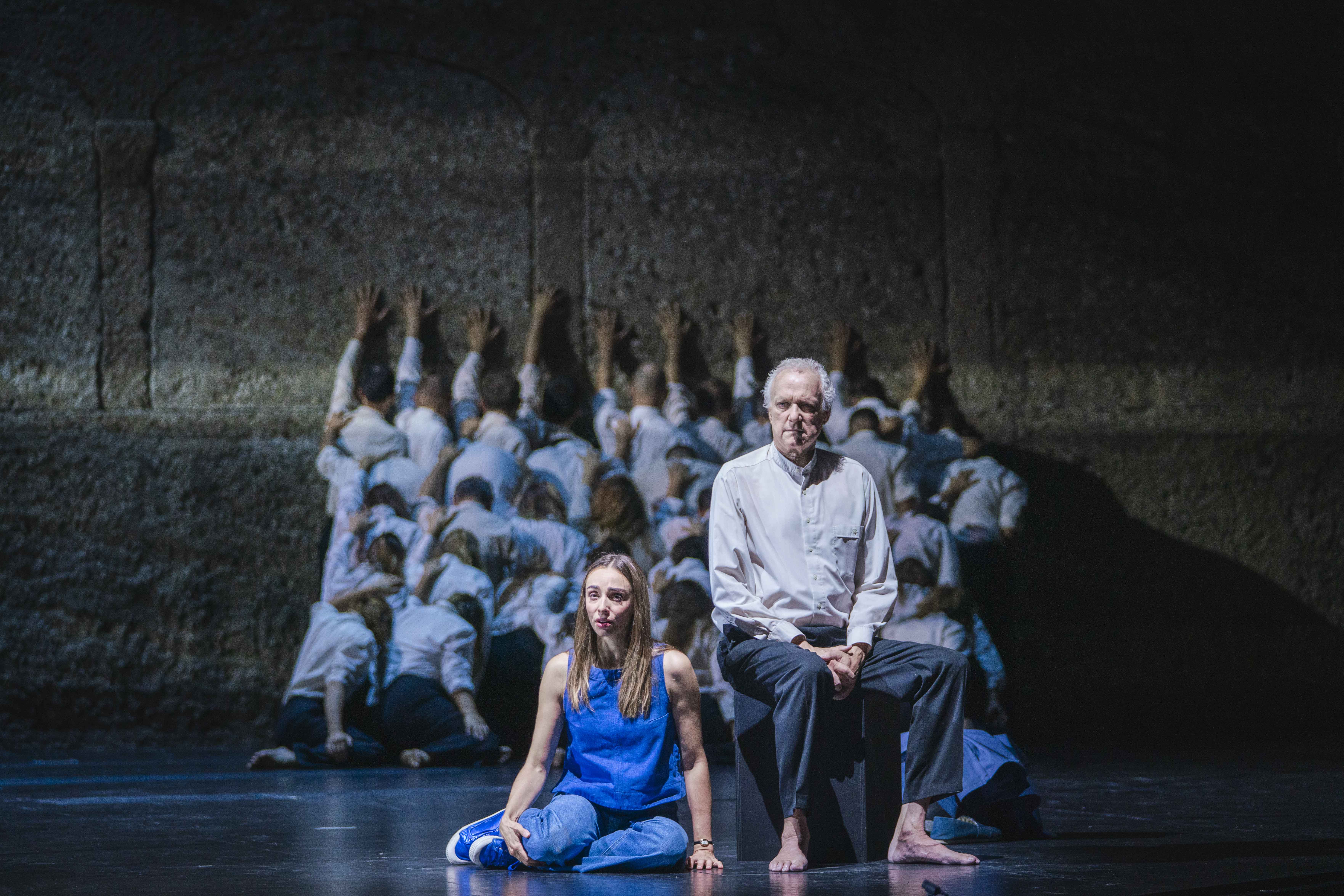
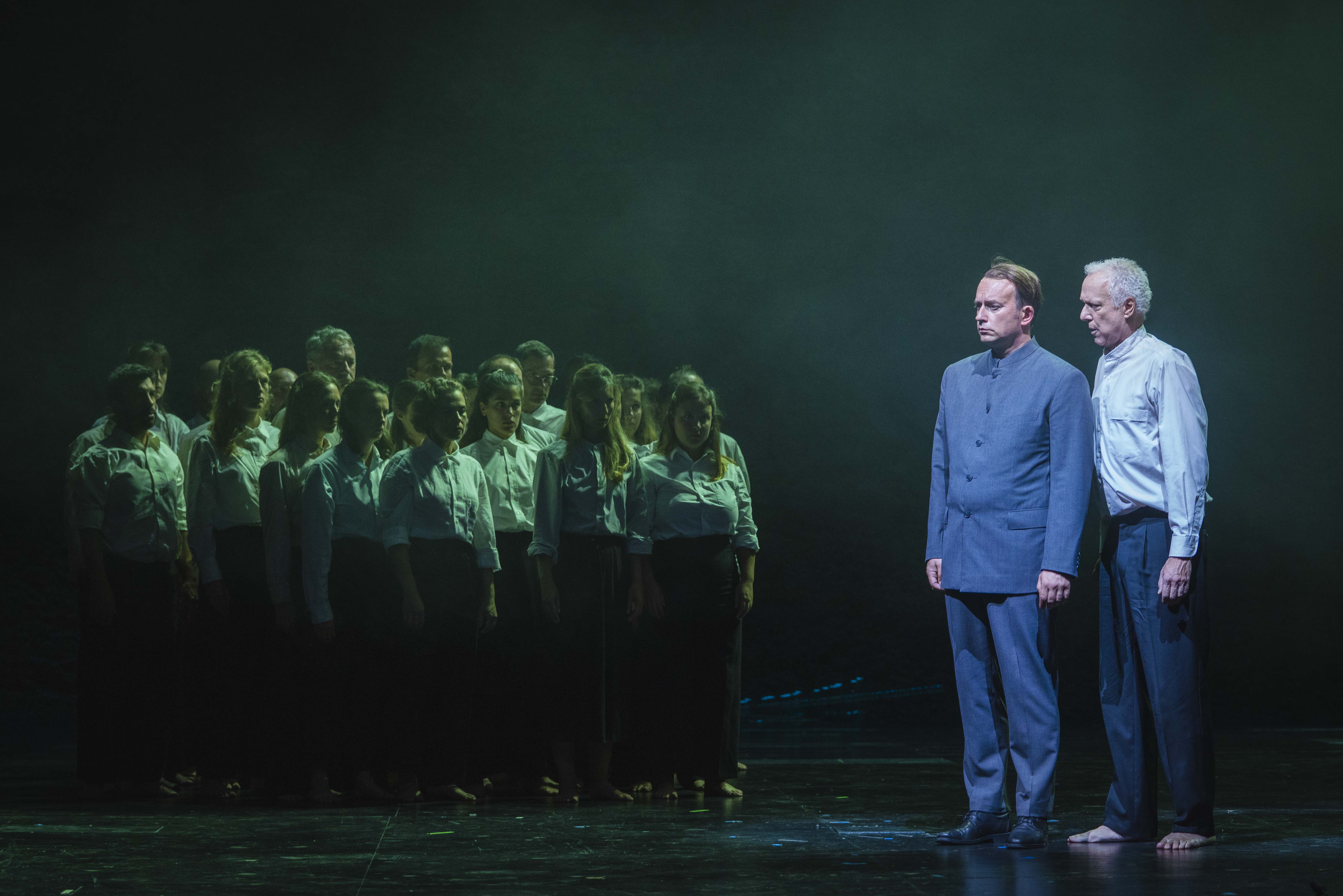
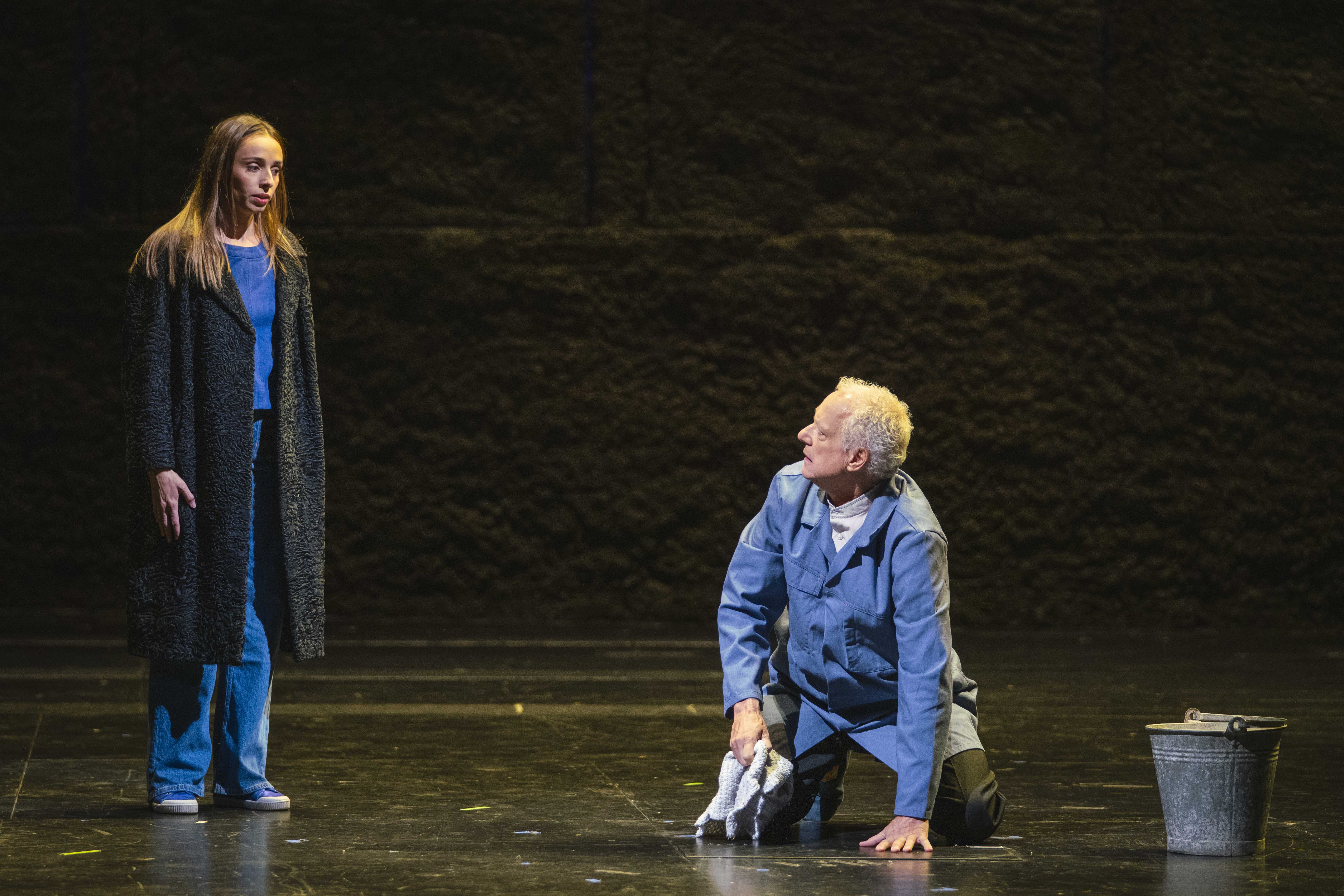
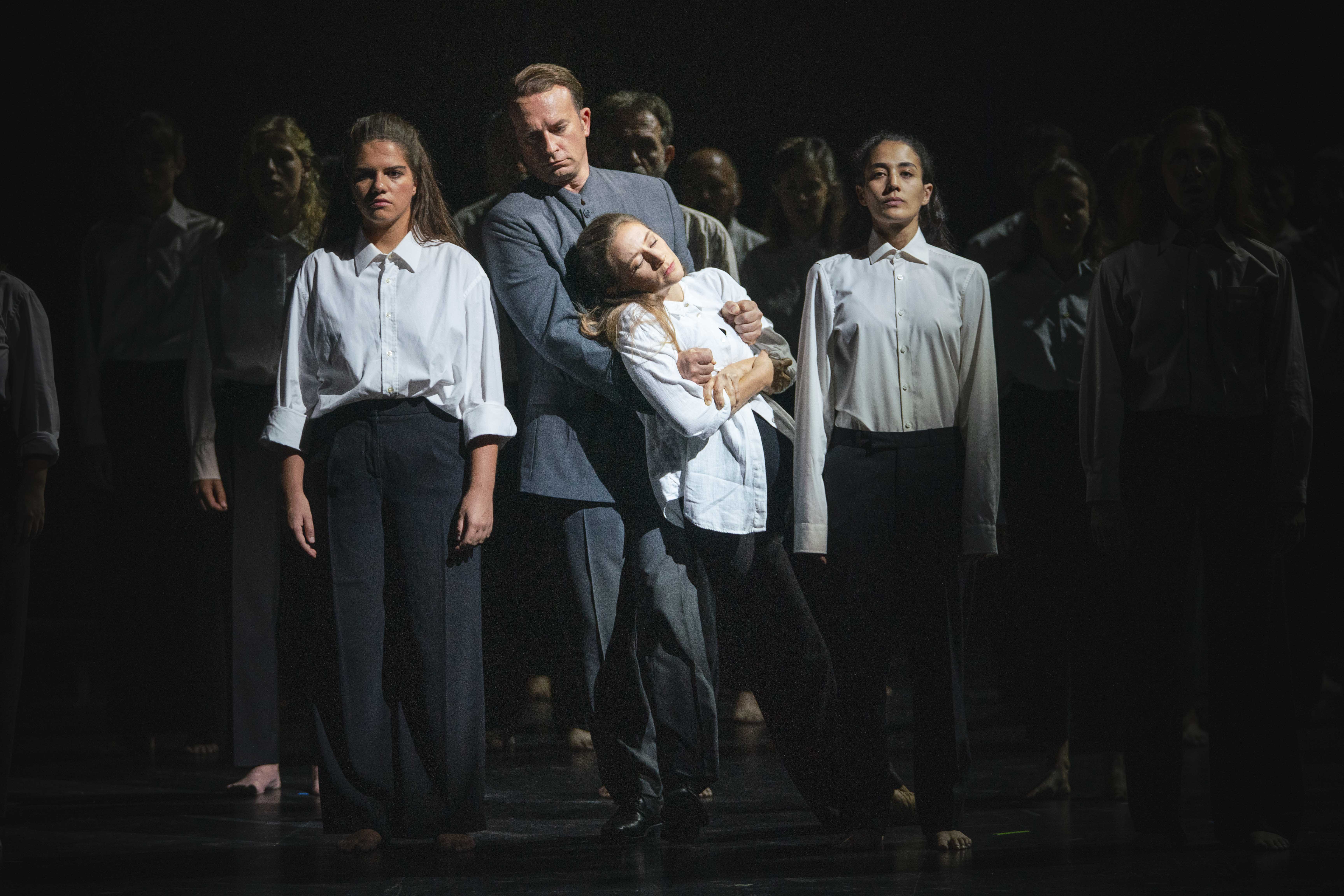
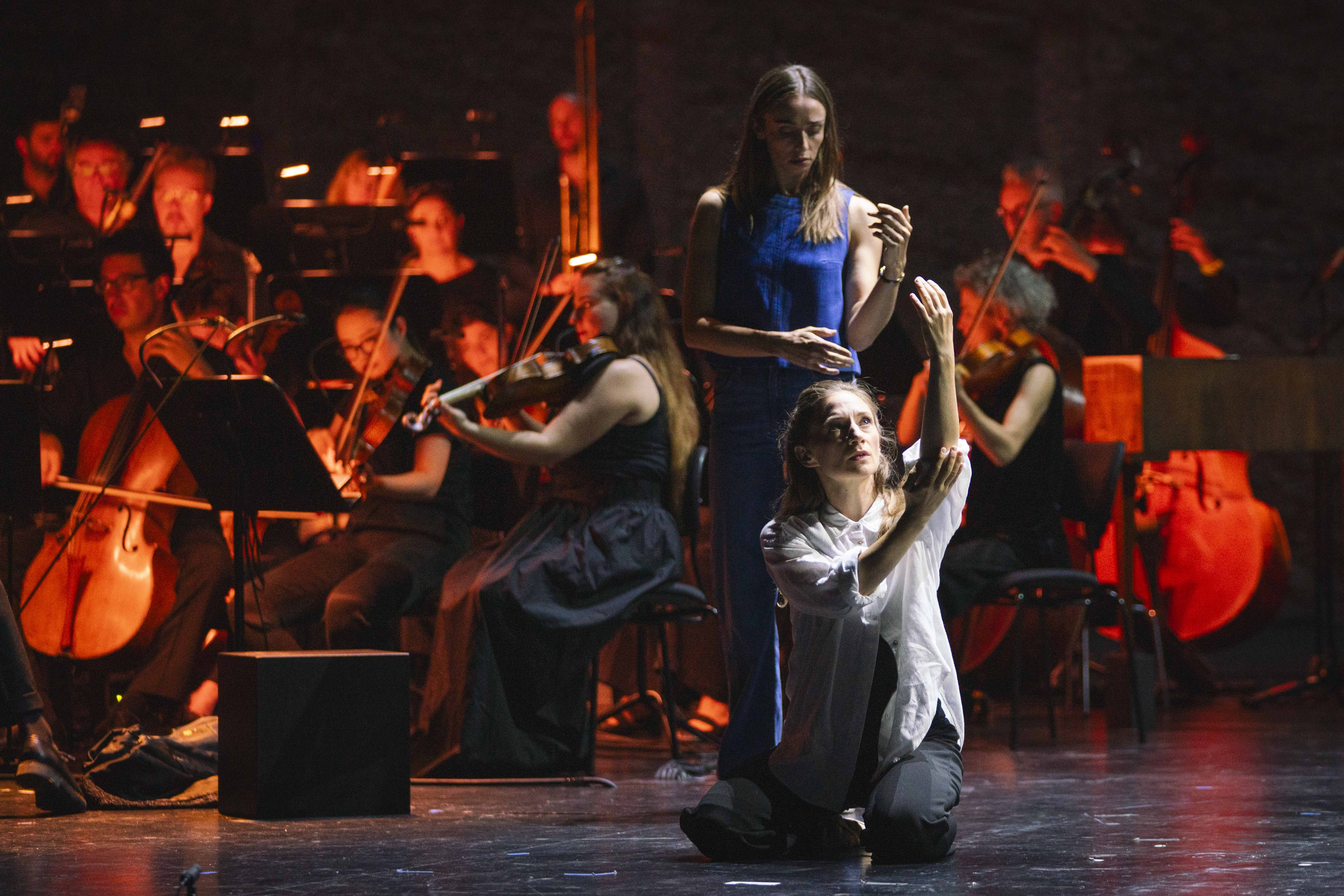
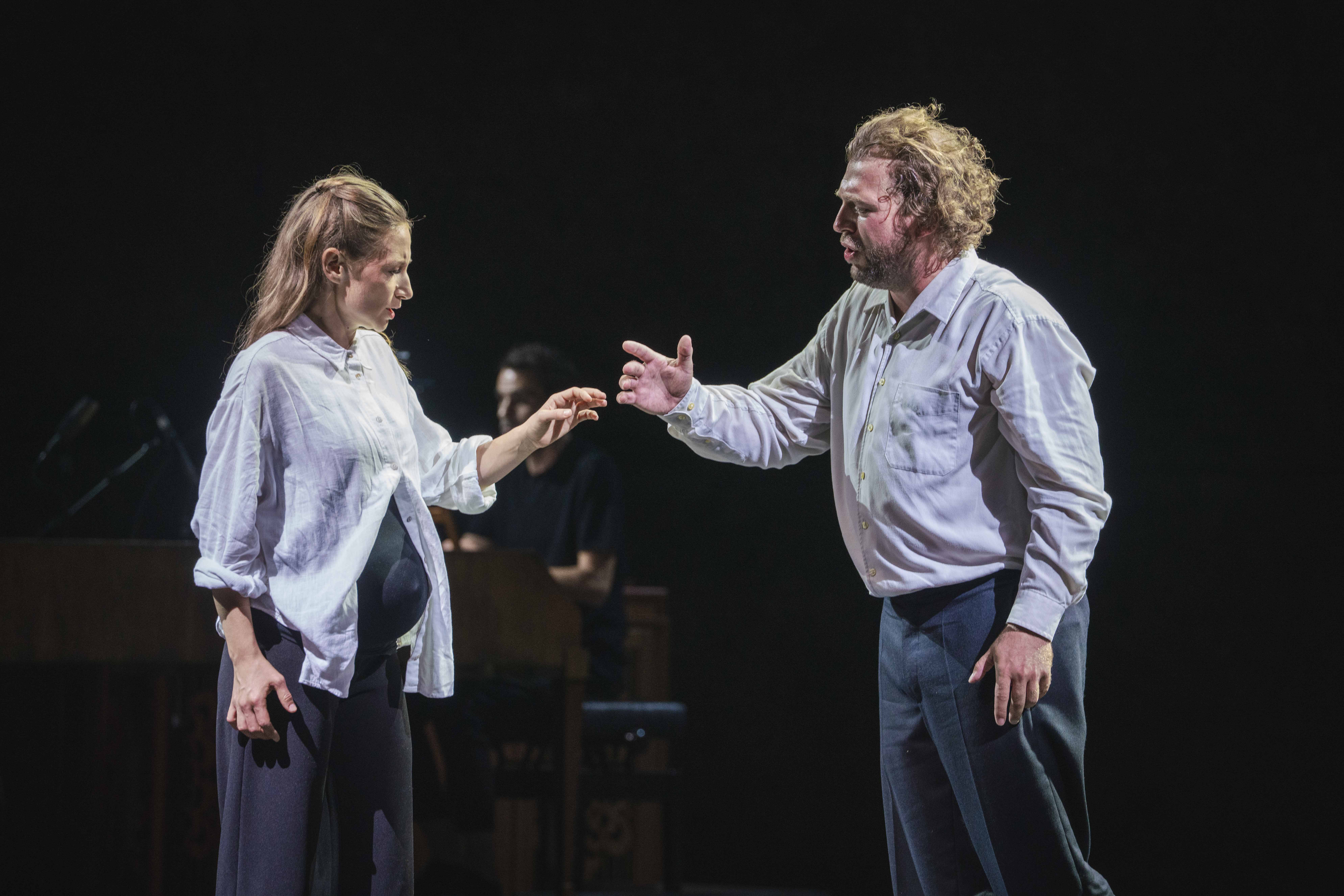
Wolfgang Amadeus Mozart
- Adagio en do majeur, K. 356
- « Ah, lo previdi » – « Ah, t’invola », K. 272
- Extraits de Davide penitente, K. 469
- Extraits de Zaïde, K. 344 :
- Chœur « Brüder, lasst uns lustig sein »
- Air « Der stolze Löw’ »
- « Ruhe sanft »
- Duo « Meine Seele hüpft vor Freuden »
- Air « Ihr Mächtigen seht ungerührt »
- Trio « O, selige Wonne »
- Air « Tiger! Wetze nur die Klauen »
- Quatuor « Freundin, stille deine Tränen »
- Air « Trostlos schluchzet Philomele »
- Einsam bin ich, meine Liebe, K. Anh. 26
- « Misero ! O sogno – Aura, che intorno spiri », K. 431
- Extraits de Davide penitente, K. 469
- Adagio en do majeur, K. 356
Sheet music
Wolfgang Amadeus Mozart. David Penitente KV 469. Carus 51.469
Carus Verlag, Stuttgart
Wolfgang Amadeus Mozart: Zaide KV 344 (336b) (1779/80)
Published by Werner Oehlmann (Neue Mozart Ausgabe)
Neue Mozart-Ausgabe © Bärenreiter-Verlag Kassel · Basel · London · New York · Praha
The preparation of Zaide in 1780 marked a decisive turning point in Mozart's career. This Singspiel, spontaneously composed for the Viennese court of the "enlightened despot" Joseph II then left unfinished, shines through the humanist themes it explores. For the first time, Mozart built a true musical and dramaturgical resonance chamber for what he considered just and good: the struggle against tyranny, the power of true love and, above all, the inalienable quest for freedom. Although Zaide initially draws on the clichés of the "rescue" narrative and on the rococo Turkish fashions of the time, the work transcends them through the psychological depth with which Mozart portrays his characters and through the rare musical intensity of the drama.
After Mozart's first departure from Salzburg in 1777, profound upheavals had marked his life: his decisive encounter with his new friend Haydn, his discoveries in Munich and of the Mannheim orchestra, his disappointed love for Aloysia Weber, his Parisian disillusionment and the tragic death of his mother. Mozart returned to Salzburg and to the service of Prince-Archbishop Colloredo with a heavy heart. Yet he also returned to his hometown profoundly transformed. The great vocal works he composed from then on carried the spirit of the Enlightenment as well as the philosophical and aesthetic movements stirring Europe. Zaide was the starting point of this new aesthetic, which refused concessions to the gallant taste and instead explored the truth of the human soul. How could one not see a direct link between Mozart's gradual emancipation from his guardianships (leaving Colloredo, leaving Salzburg, leaving his father) and his flourishing in the dramatic and sacred masterpieces to come: Idomeneo (1780–1781), Die Entführung aus dem Serail (1781–1782), the Great Mass in C minor (1782–1783), and many more.
What transforms us? What makes us better? These were the questions debated in Europe in the age of the Enlightenment. Mozart, who was soon to be admitted to the Viennese Masonic lodge "Zur Wohltätigkeit", made them his own by offering a vision of humanity that, while never ceasing to be traversed by doubt, allows love and forgiveness to triumph.
In Libertà! Mozart & Opera (2019), Pygmalion and Raphaël Pichon explored the musical and dramaturgical laboratory that preceded the three great masterpieces of the Mozart/Da Ponte trilogy. With this new creation for the Salzburg Festival, which delves into the rarely performed Zaide and Davide penitente (based on the Great Mass in C minor), as well as into other Mozart gems, they compose a humanist tableau in which the individual and the collective respond to each other; where the struggle between light and shadow is played out at every moment.
Eddy Garaudel
playwright of the show
Transcription
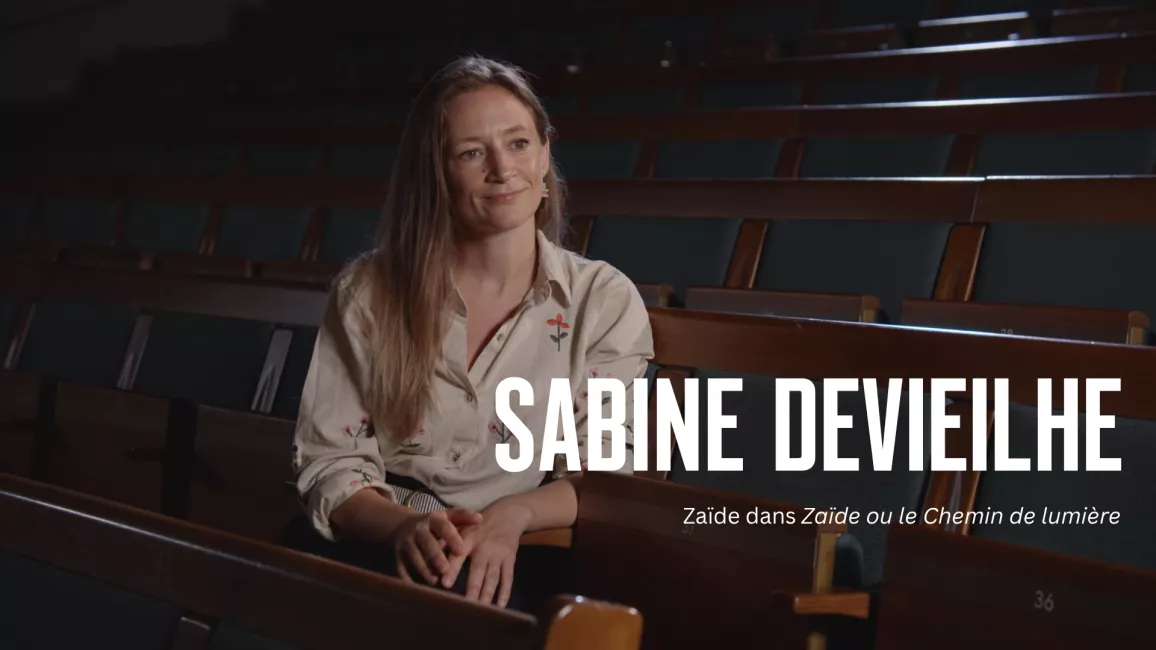
Je n'ai jamais chanté Zaïde.
Pourquoi ? Parce que c'est un opéra inachevé de Mozart, qui est, de toute évidence, très peu donné.
J'ai en revanche déjà chanté les deux grands airs de Zaïde, Ruhe sanft et Tiger, wetze nur die Klauen.
Mais ce rôle en entier, je ne l'ai jamais chanté. Dans cette histoire un peu composite créée par Raphaël Pichon, par Wajdi Mouawad,
à laquelle toute l'équipe de Pygmalion participe, j'ai évidemment le rôle de Zaïde, mais d'une façon un peu transformée, un peu métamorphosée.
J'oserais dire que j'ai peut-être le rôle de l'espoir intrinsèque en toute chose.
Je crois que c'est Wajdi qui a souhaité évoquer, à travers ce personnage de Zaïde, qui est finalement assez peu développé dans l'opéra de Mozart, il lui a ajouté cette touche de lumière en toute chose, par son chant, par l'évocation des autres personnages de Zaïde.
Donc j'ai l'impression que ce personnage de Zaïde, dans cette prison créée de toutes pièces par Raphaël et par Pygmalion, représente l'espoir.
Zaïde, ou le chemin de la lumière, pourrait finalement raconter non pas un happy end comme on l'entend, puisque la mort n'est jamais très loin, déjà dans les opéras de Mozart.
Mais je pense que la lumière au bout du tunnel est vraiment celle de l’espoir.
La lumière est celle de l'avenir que représente Persada, qui, elle, est bien vivante à la fin de cet opéra.
L'histoire de Zaïde, c'est peut-être l'histoire d'une renaissance et d'un retour de l'espoir dans un monde aussi sombre.
Ce n'est évidemment pas ma première collaboration avec l'ensemble Pygmalion Et Raphaël Pichon.
On a derrière nous une longue série de projets, plus ou moins élaborés, plus ou moins urtext, c'est-à-dire dans leur jus, tels qu'on les connaît dans les bibliothèques de musique.
Mais je connais aussi Pygmalion dans la salle, au disque, puisque moi-même je suis l'une de leurs plus grandes admiratrices.
Ce qui me touche particulièrement, c'est la façon dont cet ensemble, de façon collective, s'empare du répertoire, le détricote, le déconstruit aussi, et réussit à nous donner à entendre une version peut-être encore plus parlante, peut-être encore plus personnelle de ces chefs-d'œuvre.
Transcription
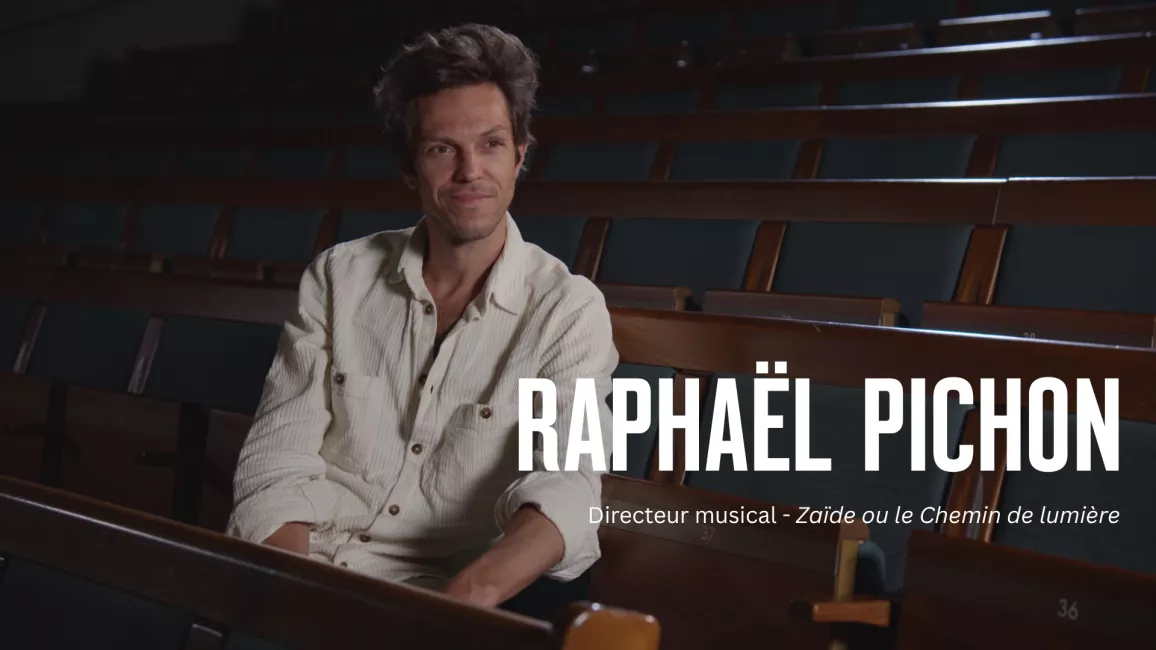
Je crois que Zaïde est un immense chef-d'œuvre, peut-être le premier grand chef-d'œuvre opératique de Mozart, mais on ne peut pas le monter aujourd'hui parce qu'il est inachevé.
Il s'arrête à la fin du deuxième acte et il en manque vraiment toutes les parties qui lui permettraient de lui donner un visage complet.
Et donc très vite, mon regard s'est porté sur une histoire qui m'a été inspirée par une lecture de Wajdi Mouawad.
Je pense à sa pièce qui s'appelle Incendies et qui raconte l'histoire d'une jeune femme qui veut en connaître plus sur le destin de sa mère, qui a été longtemps en captivité.
Et Zaïde, dans l'opéra de Mozart, c'est une histoire sur la captivité. Et donc j'avais un premier début de récit.
Pour que ce récit explose vraiment, il me semblait indispensable, comme Mozart le fera plus tard, d'avoir un collectif, une communauté, et donc un chœur.
Et pour avoir ce chœur, car il n'y en a pas dans la Zaïde de Mozart, j'ai choisi une autre œuvre que j'ai fait fusionner avec Zaïde.
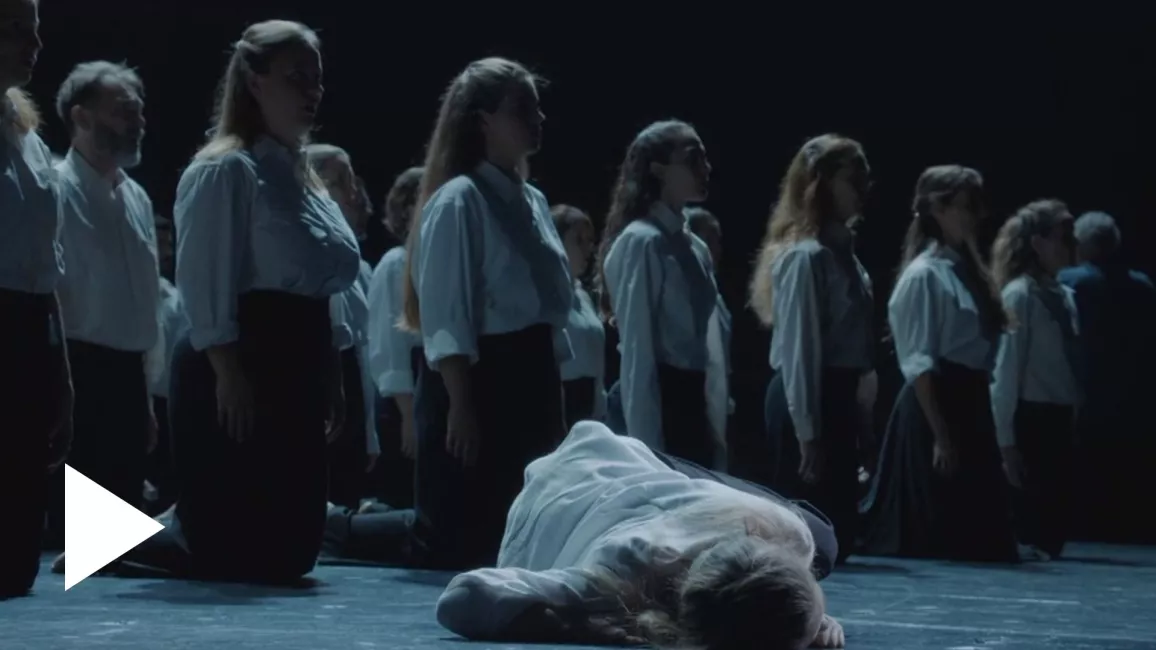
Cette œuvre, c'est un oratorio assez méconnu qui s'appelle Davide penitente qui est une collection de psaumes.
C'est un oratorio qui n'a pas d'intrigue, qui est juste une collection de psaumes, et souvent d'ailleurs des psaumes d'appel à l'aide, qui allaient être bientôt idéaux pour nos prisonniers.
Une musique extraordinaire et qui vient s'intercaler à l'intérieur de Zaïde.
Et ensuite, j'ai voulu aussi rester vraiment à l'intérieur de cette même période celle de Zaïde, des années 1780 à 1785, en utilisant aussi des œuvres beaucoup plus méconnues, des airs de concert, des fragments, des canons, et qui viennent idéalement compléter cette nouvelle partition, ce nouveau kaléidoscope.
Et ensuite, il fallait aussi réfléchir à comment porter cette histoire.
Et dans Zaïde, Mozart utilise un procédé qu'il utilisera uniquement au cours de sa carrière pour cette Zaïde, c'est le mélodrame.
C'est un orchestre qui joue juste quelques petites mesures, laissant un espace vide dans lequel un texte parlé vient s'insérer, et c'est un dialogue assez unique entre la voix parlée et celui de l’orchestre, où l'orchestre, parfois, démultiplie le pouvoir des mots
et lui donne vraiment une densité psychologique, comme si l'orchestre était un personnage à part entière.
Donc je voulais utiliser ce mélodrame, et puisque je m'étais inspiré d'une histoire contée par Wajdi Mouawad dans Incendies c'était très naturel de demander à Wajdi Mouawad lui-même d'écrire ces nouveaux mélodrames qui vont vraiment nous permettre tel un évangéliste dans une Passion, ou tel un testo dans les vieux oratorios de Monteverdi, tel un conteur, voilà, celui par lequel le drame et l'histoire se déroulent.
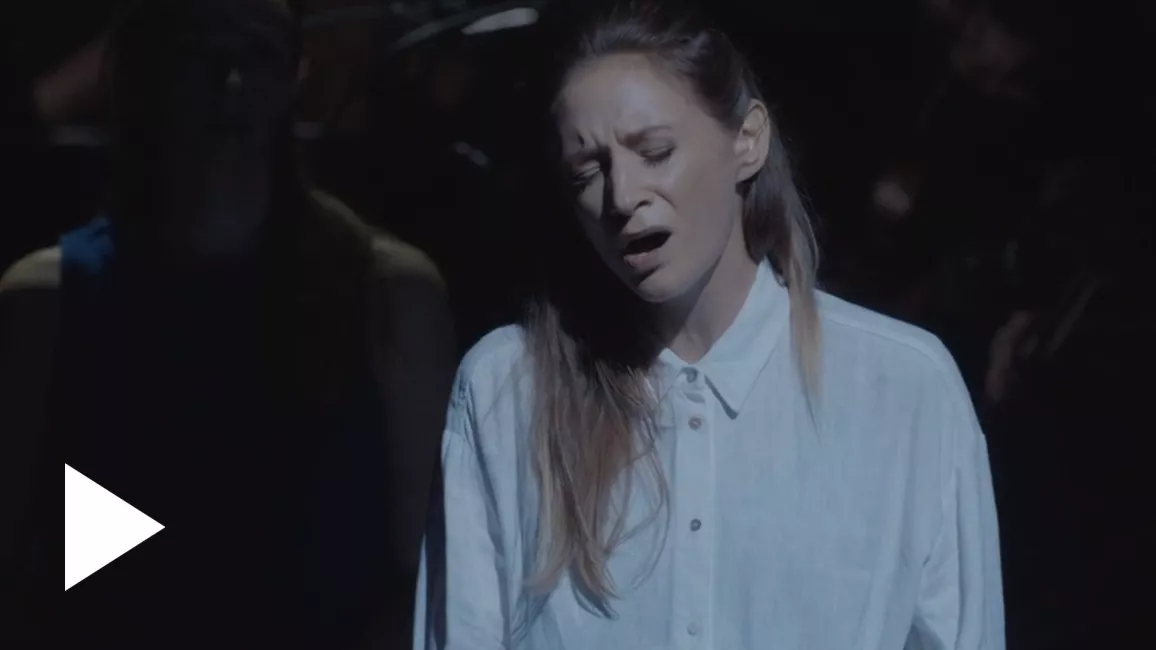
« Can a human being be happy without freedom? »
« Pour toi, qui dominais la vie,
La mort n'était pas effrayante,
Et en vain il brandissait
Sa lance contre toi :
Car à travers le royaume de la douleur,
L'Espérance marchait à tes côtés,
Et son bouclier d'acier
Était suspendu au-dessus de ta tête. »
An die Freude (excerpt, French translation by Sophie Kidd), poem by Johann Peter Uz (1720–1796), set to music by Wolfgang Amadeus Mozart at the age of twelve
Artistic team





Cast


Coproduction


In partnership with



France Musique Recording
(Rehearsal on September 7, take 1 on September 11, and take 2 on September 12, 2026).
Concert recorded by France Musique for broadcast on October 31, 2026, at 8:00 p.m. as part of the programme Samedi à l’Opéra, hosted by Judith Chaine. The recording will then be available for streaming on the France Musique website and on the Radio France app.
Where does the performance take place?
Off-site season: Zaïde or the Path of Light is hosted at the Lycée Carnot, Hall Eiffel, 145, boulevard Malesherbes 75017 Paris. Metro: Wagram or Malesherbes (line 3). See the access map on this page.
What time does the performance start?
Performances begin at 9 pm on 9, 11 and 12 September 2026. Doors open 45 minutes before the start of the show.
How long is the performance?
The show lasts 1h40, with no intermission.
In what language is the show sung?
Zaïde or the Path of Light is performed in German and Italian, with French and English surtitles.
Is there an introduction to the show?
Yes, an introduction is offered by Agnès Terrier, playwright of the Opéra-Comique, before each performance.
What if I'm late?
Out of respect for the artists and the audience, latecomers can only be seated at an appropriate moment of the performance.
What are the rates for this show?
Tickets are €95 (category A) and €70 (category B).
Are there special rates for under-35s?
Yes, under-35s benefit from a dedicated offer. More information on the Under-35s page.
Are reduced rates available?
Yes, reduced rates are offered to young people, jobseekers, RSA recipients, people with disabilities, school groups and community organisations, subject to availability.
How can I book?
Bookings can be made online at opera-comique.com, by phone on +33 (0)1 70 23 01 31, or at the Opéra-Comique box office, place Boieldieu.
Is there a special rate for groups?
Yes, for groups of 10 or more, a 10% discount applies on Zaïde or the Path of Light. Contact: collectivites@opera-comique.com.
How can I get the show's programme booklet?
Programme booklets are on sale at the venue, before the show and after the performance. You can also pre-order the booklet online.
Are there resources to prepare for your visit?
Yes, find interviews, contextual articles and podcasts about the show on the Opéra-Comique website.
Is the performance accessible to people with reduced mobility?
The audience will be seated in tiered seating, where the steps may present access difficulties, and the venue does not have a lift. Please feel free to choose your seats according to your preferences or needs. Due to the layout of the venue, we are unfortunately unable to guarantee access for people with reduced mobility (PRM).
How do I contact the accessibility team?
Please contact the accessibility team before booking: accessibilite@opera-comique.com or 01 70 23 01 44.